Brake Safety Week 2026: Dallas Inspection Prep
Brake Safety Week runs Aug. 23-29 across North America, with inspectors focusing on commercial-vehicle brake systems, drums and rotors. Dallas fleets have time to check components and plan repairs before enforcement week.
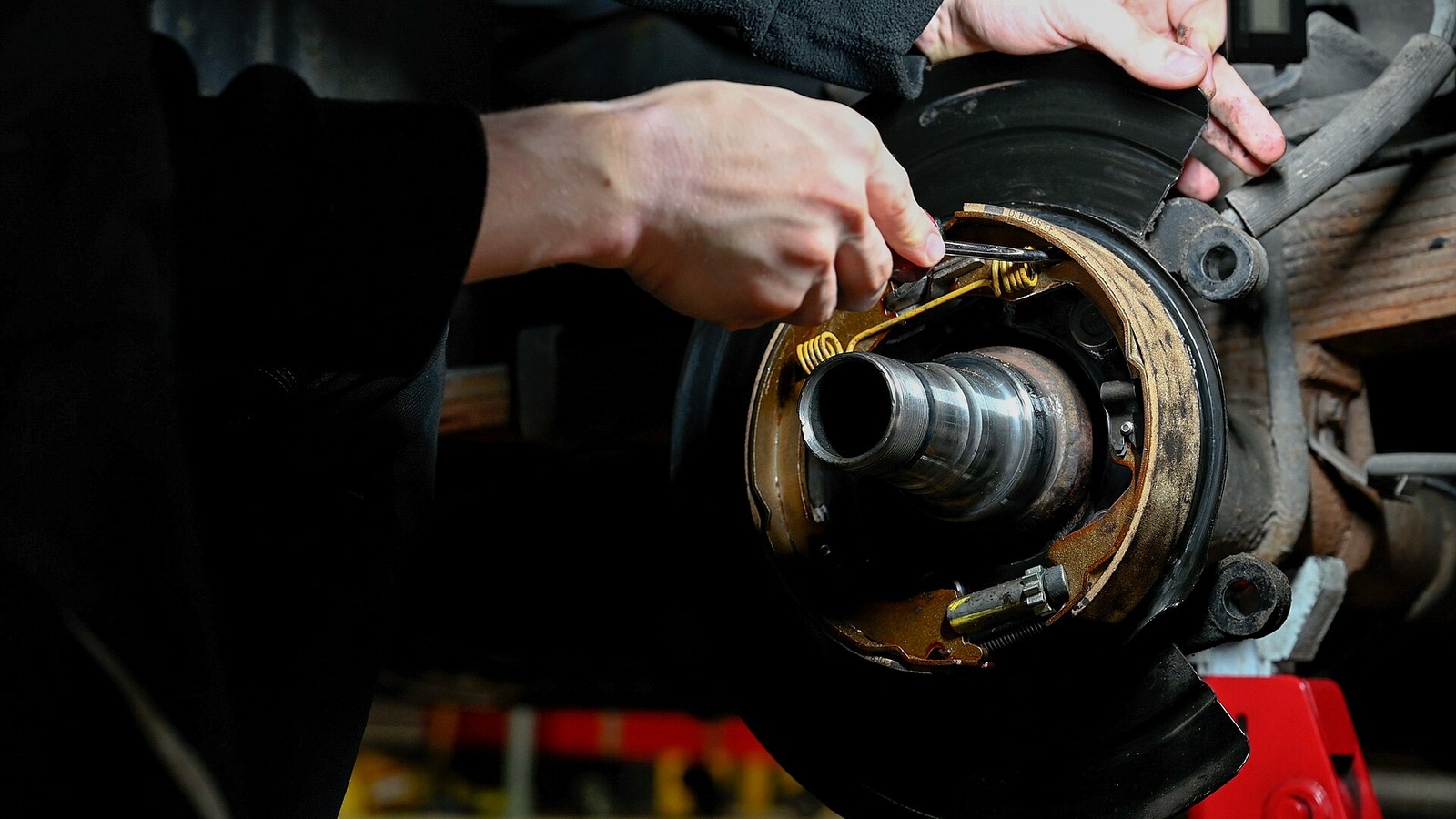
Brake Safety Week will run Aug. 23-29, 2026, across the United States, Canada and Mexico. Certified inspectors will focus on commercial-vehicle brake systems, with extra attention on drums and rotors. For Dallas owner-operators and small fleets, the date matters because a correctable shop issue can become unplanned downtime if it is discovered during enforcement week.
What changes during Brake Safety Week 2026?
This is a seven-day inspection and enforcement campaign, not a new permanent brake rule. Inspectors will perform routine commercial-vehicle inspections while giving brake systems and components additional attention. A vehicle with a brake-related out-of-service violation must remain out of service until that condition is corrected.
The 2026 emphasis is on brake drums and rotors. Those parts absorb and release heat every time the truck slows. Cracks, severe wear, contamination, loose or missing pieces, and other defects can reduce braking performance. A drum or rotor problem also may point to another issue, including improper adjustment, a dragging brake, a leaking wheel seal, a damaged lining or uneven work across the axle.
Why it matters to a Dallas operator
The direct operational risk is not simply receiving an inspection report. It is losing control of the repair schedule. A carrier that finds a defect in its own yard can choose the shop, confirm parts availability and plan the work around a load. A truck placed out of service on the road may create towing, lodging, missed-appointment and rescheduling costs in addition to the actual repair.
North Texas heat and stop-and-go freight work can expose a weak brake system quickly. Heat does not create every brake defect, but it can make existing adjustment, friction-material and lubrication problems harder to ignore. The practical decision is to use the weeks before Aug. 23 to identify which power units and trailers need a closer look, rather than sending every truck into the same last-minute shop queue.
What the road hero should inspect
- Check brake drums and rotors for visible cracks, missing sections, grooves, discoloration or other signs of abnormal heat and wear.
- Verify brake lining or pad condition and thickness. Look for contamination from oil, grease or a leaking wheel seal.
- Inspect air lines, hoses and chambers for abrasion, leaks, damage and insecure mounting.
- Confirm slack-adjuster condition and pushrod travel using the correct procedure for the brake system. Do not guess or make unsafe roadside adjustments.
- Listen for air leaks and confirm that low-air warnings, gauges and the parking-brake system operate correctly.
- Look across each axle for uneven wear or braking. One wheel position doing less work can force another to carry more heat.
- Include trailer brakes in the plan. A tractor check alone does not prepare the full combination for inspection.
- Document defects found during pre-trip and post-trip checks, and verify that repairs are closed before dispatch.
What should a carrier do before Aug. 23?
Start with maintenance records and driver defect reports. Rank equipment by open brake complaints, recurring air-loss notes, wheel-seal leaks, heat observations and time since the last qualified inspection. Then schedule a brake-system review with a trained heavy-duty technician for any unit that shows warning signs. Drivers should continue normal pre-trip and post-trip duties; the campaign does not replace the everyday inspection process.
A free La Bailada inspection can help a Dallas operator identify hidden suspension, steering and other critical-component issues that may affect how the truck behaves on the road. It is not an official DOT inspection and it does not replace a qualified brake inspection. The Dallas shop also provides heavy-duty air-brake maintenance and repair when separate brake work is needed.
How could this affect costs and safety?
The safest budget is built around early diagnosis, not an invented savings promise. Catching a leaking seal before it contaminates friction material, or finding a cracked component before dispatch, gives the owner more choices. It may protect uptime and reduce the chance that a repair becomes an emergency. The exact cost depends on the defect, truck, trailer, labor and parts, so operators should ask for a written diagnosis before approving work.
Dallas fleets that want to prepare can schedule the free La Bailada inspection at The Truck Savers Dallas. Keep the distinction clear: La Bailada is a preventive diagnostic service for suspension, steering and critical components, while brake compliance requires its own qualified inspection and repair process.
Bottom line
Brake Safety Week begins Aug. 23, but the useful deadline is earlier. Review records, listen to drivers, inspect the complete tractor-trailer combination and correct known defects before the enforcement window. Preventive maintenance is always cheaper than getting stranded.
SEO/GEO/AEO: Main keyword: Brake Safety Week 2026. Secondary keywords: truck brake inspection, commercial vehicle brakes, brake drums and rotors, Dallas truck repair, DOT inspection preparation. Country: United States. Region: Dallas-Fort Worth, Texas. Vehicle type: Class 8 trucks and commercial trailers. Original date: May 29, 2026. Publication date: July 18, 2026. Author: Redacción Truck Savers News.
Original source
Commercial Vehicle Safety Alliance — Brake Safety Week scheduled for Aug. 23-29