ATRI: Drivers Put Parking Among Their Top Three Concerns
Truck parking is among drivers’ top three concerns in ATRI’s survey, alongside fuel prices and compensation. Check the next stop before dispatch.
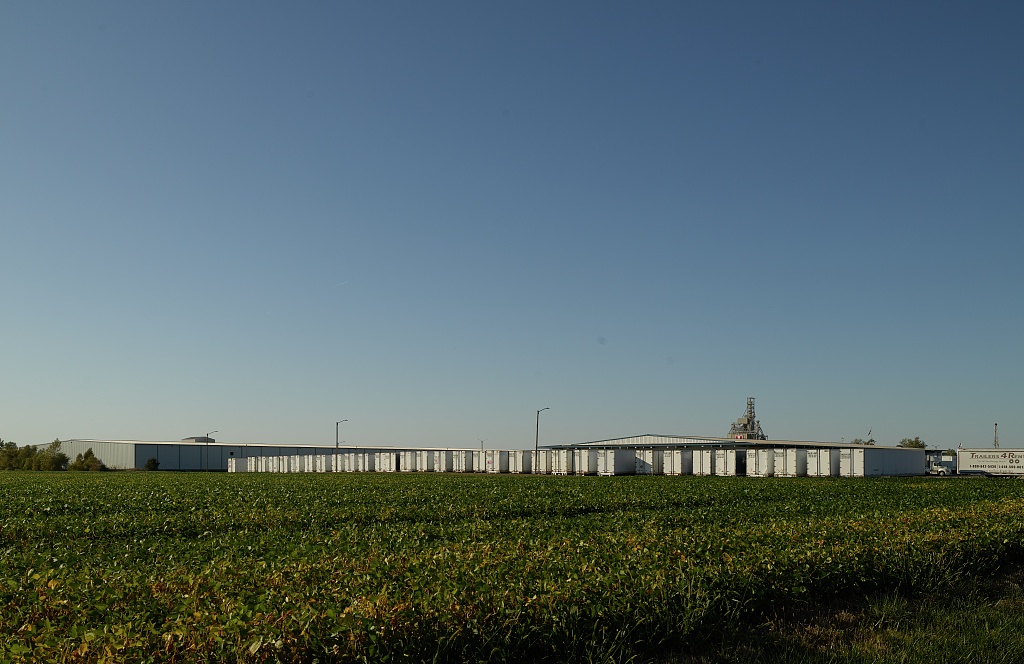
Archive photograph: Carol M. Highsmith/Library of Congress, trailers at a warehouse outside Nashville, Illinois, 2019. Illustrative image; it does not show a current parking inventory or survey participants.
Truck parking ranked among drivers' top three concerns in ATRI's 2026 industry survey, alongside fuel prices and compensation. Motor carriers named a different trio: lawsuit abuse reform, fuel prices and driver shortage. The difference is a reason for a small fleet to ask drivers about the next assignment's practical constraints instead of assuming an industry-wide headline describes every job.
ATRI released the survey on October 18; TSN checked its announcement on November 4. Nearly 3,100 stakeholders participated, with drivers representing roughly a quarter of respondents. The results describe respondents' priorities. They do not count available spaces on your route, demonstrate the conditions at a particular customer or establish the cost of your next trip.
Turn a concern into a specific dispatch question
Begin with the actual assignment. Identify the pickup and delivery appointments, the planned equipment and the places where waiting or a change of plan could occur. Ask the assigned driver which stop needs clarification before departure. A useful answer names a location or an unresolved condition; simply agreeing that parking is difficult leaves dispatch with little it can verify.
Keep this discussion tied to a realistic trip plan that follows the applicable rules and the operation's procedures. The survey is not permission to stretch a driver's available time or use an unauthorized place. The steps below are TSN editorial planning guidance, not a legal interpretation, a promise of parking availability or instructions for handling a particular roadside situation.
Separate possible parking from permission to park
For each proposed stop, record what you actually know. A location appearing on a map establishes neither space nor permission for your equipment and proposed stay. Ask the operator about the conditions relevant to the assignment: access, equipment restrictions, reservation arrangements where offered and the hours during which the intended service can be used. Leave unanswered points marked as pending.
If a customer has a staging or waiting area, confirm its actual policy directly. Do not turn an informal suggestion into a guaranteed overnight option. Keep the name of the contact, the time of the conversation and the conditions stated. If the operation relies on written instructions, attach them to the trip record so the driver and dispatcher are reviewing the same version.
Put the driver's concern beside the commercial plan
The survey's different lists should not become a competition over whose problem matters more. Use them to structure a conversation about a particular load. Dispatch may be focused on the appointment, while the driver is concerned about the stop after unloading. Write both questions down and identify what must be confirmed before an assignment is treated as ready.
For example, a small carrier could have a customer appointment confirmed but still lack a verified plan for a long wait afterward. This is a hypothetical planning example, not a claim about a named customer. The next action is to clarify the waiting conditions and the operation's alternative plan, rather than tell the driver that the appointment confirmation settles every part of the trip.
Document the assumptions behind the trip
A compact worksheet can distinguish four kinds of information: confirmed arrangements, estimates, open questions and the person responsible for the next check. Use those labels consistently. An estimated arrival time should not appear in the same form as a confirmed access window. If a proposed stop changes, record which later assumptions need to be reconsidered by the responsible person.
Include any parking charge quoted for the intended stay as its own item in the planning record. Confirm what that quote covers rather than borrowing a price from another day or location. Keep a possible cost separate from an accepted charge. The objective is a clearer operating decision, not a prediction that a particular planning method will save a fixed amount.
A short handoff checklist
- Identify the actual load, equipment and appointments.
- Ask the driver which stop or waiting condition is unresolved.
- Confirm permission and conditions directly with each relevant operator.
- Separate confirmed arrangements from map suggestions and estimates.
- Record the operation's responsible contact for a change of plan.
- Keep quoted charges and their conditions with the trip record.
- Review unresolved items before making a promise to the customer.
After the trip, compare the plan with what actually happened. Ask the driver to identify the specific stop, the condition that differed and the information that would have helped beforehand. Preserve that observation as a dated operating record. It can inform the next verification call without becoming a permanent claim that a facility always accepts trucks or always has space.
If several trips reveal the same unresolved question, bring that documented pattern to the relevant customer or provider. Describe the observed cases and the decision you need, rather than presenting the national survey as evidence of that site's behavior. This keeps an industry concern connected to information the people responsible for the assignment can actually check.
Fuel may lead the overall discussion, but the driver ranking shows why the conversation should also include the next place to stop. A useful handoff ends with clear arrangements, named responsibilities and visible unknowns, not a confident statement that somebody will figure it out on the road.
Original source: ATRI announcement of its 2026 Top Industry Issues survey.