Arkansas: 393 Drivers and Vehicles Out of Service
FMCSA reported 1,724 Arkansas inspections and 393 drivers and vehicles out of service in a completed operation. Keep the combined count in context.
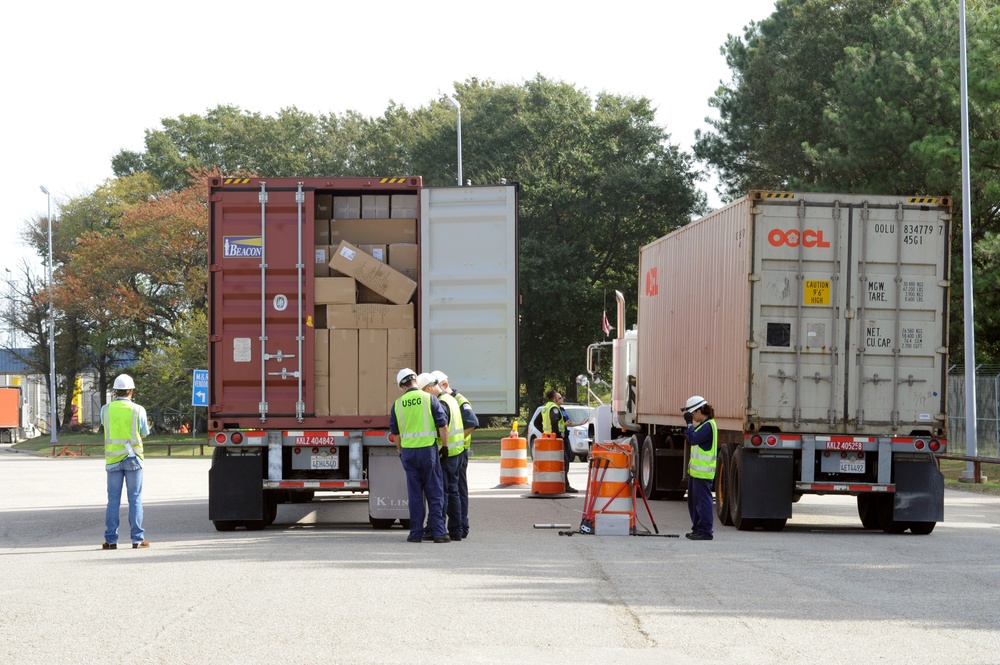
Archive illustration: U.S. Coast Guard/David R. Marin, Norfolk, Virginia, October 27, 2010; DVIDS, public domain. This port inspection is unrelated to the Arkansas operation; no violation by anyone pictured is implied. The appearance of U.S. Department of War (DoW) visual information does not imply or constitute DoW endorsement.
A completed 48-hour Arkansas operation produced 1,724 inspections and placed 393 drivers and vehicles out of service, FMCSA reported November 4. The agency's Operation Highway Shield total combines drivers and vehicles. It is not a count of 393 individual drivers or 393 mechanical defects. For a small carrier, that distinction matters when deciding what the announcement actually says about the next dispatch.
Keep the unit of the number attached
A headline is easier to misunderstand when the label disappears. In a fleet briefing, retain the words attached to the published total and identify the agency and announcement date. A combined driver-and-vehicle count cannot be separated into its components without additional information. The release does not supply that breakdown for the out-of-service total.
Do not calculate a fleet's probability of being sidelined by dividing that mixed total by the inspection count. Those figures describe this particular enforcement effort, not a random sample of your operation or a forecast for another route. Nor do they establish the most common mechanical defect. A maintenance priority for your own equipment needs evidence about that equipment.
Use the announcement to ask a better operating question
Rather than treating the national announcement as a diagnosis, ask the responsible people what remains unresolved before a specific assignment. Keep the driver, power unit and trailer identifiable in the operating record. If a known issue is still under review, name the person responsible for resolving it and keep its status visible to dispatch.
This is editorial guidance on organizing information, not a new legal requirement or a repair procedure. Apply the rules and procedures relevant to the actual operation. When an inspection report or order exists, work from that document and obtain qualified compliance or technical assistance as appropriate. A general news article cannot determine whether a particular driver or vehicle may resume operating.
Separate the report, corrective work and operating decision
For a documented case, preserve the original report and the exact findings rather than replacing them with a short verbal summary. Keep subsequent questions, instructions and evidence of completed work associated with that case. Record who provided each answer and when. That helps a small fleet avoid confusing a requested action with an action already completed.
If a service provider is needed, describe the actual issue and ask whether it can handle the requested work before moving equipment or promising an appointment. Confirm the location, scope and availability directly. A business listing does not establish current capacity, inspection authority or permission to move a vehicle that is subject to an order.
Brief dispatch without making unsupported promises
- Identify the specific driver, unit, trailer and open question.
- Preserve the actual report or instruction when one exists.
- Separate confirmed findings from assumptions about a headline.
- Assign responsibility for obtaining qualified answers.
- Keep proposed appointments distinct from completed work.
- Base the next operating commitment on the actual case and applicable requirements.
A customer update should describe what is confirmed and what is still being checked. An estimated appointment is different from a completed repair, and completed work alone should not be presented as proof that every applicable condition has been satisfied. Have the responsible person review the actual situation before changing the operating plan.
The practical takeaway is to preserve the scale of the evidence. An agency's combined enforcement total describes its operation. Your inspection record, equipment condition and qualified review inform your own next step. Keeping those levels separate makes the announcement useful without turning it into a claim about every truck on an Arkansas highway.
Original source: FMCSA's November 4 Operation Highway Shield announcement.