Amerit Adds 19 Shops in Fleet Maintenance Expansion
Amerit's Kirk NationaLease and TTPS acquisitions add 19 shops, more maintenance coverage and new upfitting options for U.S. fleets.
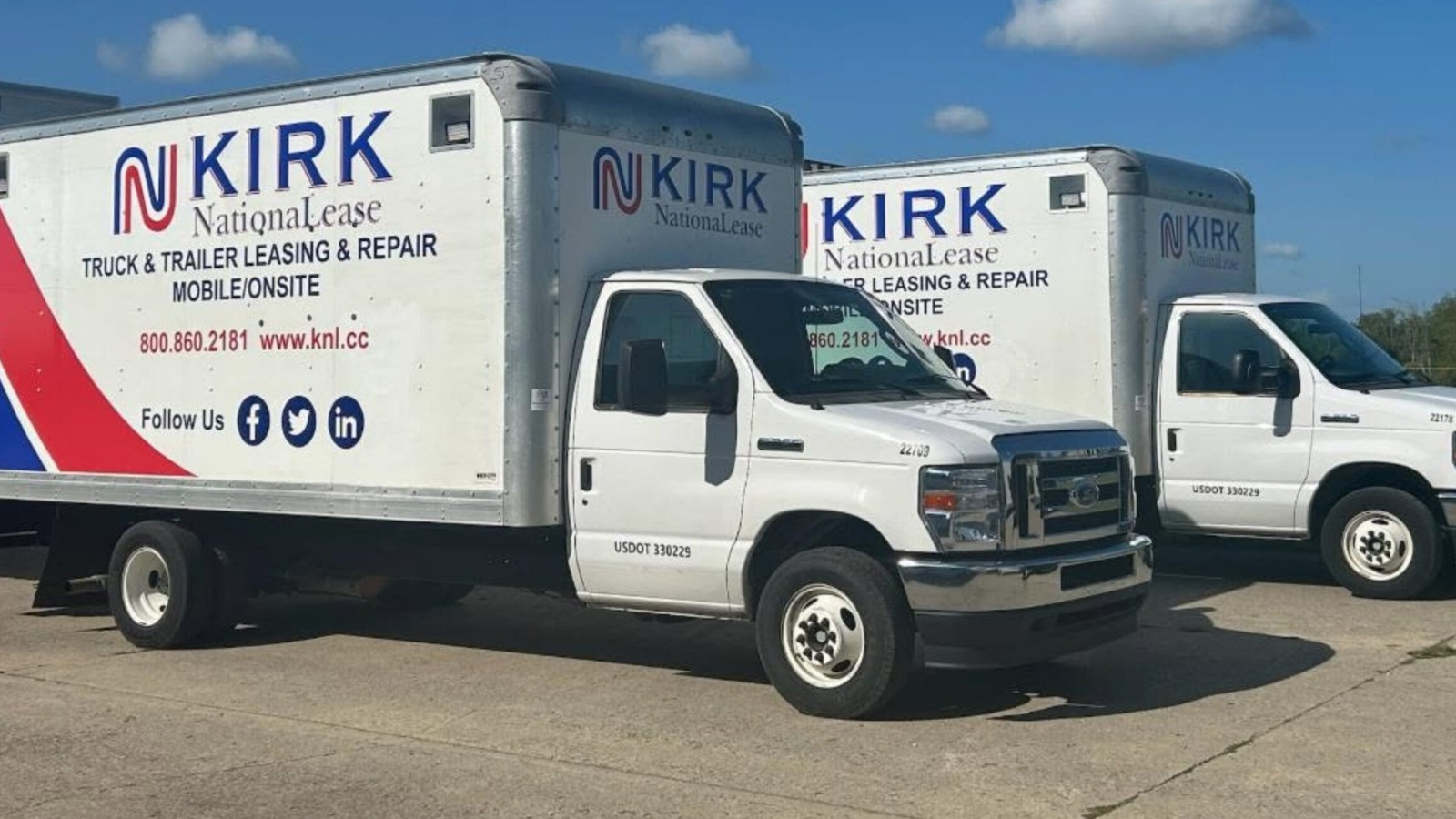
Amerit has expanded its U.S. fleet-maintenance footprint by acquiring Kirk NationaLease and Truck & Trailer Parts Solutions (TTPS). The deal adds 19 physical repair locations plus mobile service, shop-management and vehicle-upfitting capabilities. For owner-operators and small fleets, the useful question is not how large the combined company becomes. It is whether the change produces a dependable service option on the lanes where their trucks actually work.
What changed in the fleet-maintenance market?
Kirk NationaLease has operated since 1969 and supports contract maintenance, mobile service, shop management, leasing and rental programs. TTPS handles truck and trailer upfitting, including bodies, liftgates, solar equipment, APUs and EPUs, tarp systems and custom installations. Joining those operations to Amerit's network creates a wider menu that can follow a vehicle from preventive maintenance to specialized equipment installation.
The 19 shops are the clearest immediate change. They add physical capacity and technicians in multiple U.S. markets. The combination may help national and regional fleets standardize work across more locations, but it does not automatically mean every shop has the same hours, parts inventory, diagnostic tools or account rules. A fleet still needs to confirm what a specific location can do before dispatching a truck.
Why this matters to owner-operators and small fleets
A bigger maintenance network can be useful when a truck works far from its home shop. One account, a repeatable inspection process and shared records can reduce time spent explaining the same unit history at each stop. Mobile service also may keep a minor problem from becoming a tow, while centralized shop management can help a fleet compare downtime and recurring repairs across locations.
Those advantages depend on execution. An acquisition can bring temporary changes in phone numbers, billing, staff responsibilities, parts purchasing, warranties or appointment systems. Small fleets should not assume that an old agreement, discount or service promise carries over unchanged. Confirm the terms in writing, especially for after-hours calls, mobile mileage, diagnostic time, parts markups and approval limits.
How could the expansion affect costs and uptime?
More coverage can shorten the distance to qualified service and make preventive work easier to schedule. Upfitting under the same broader network also may simplify responsibility when a body, liftgate, electrical system or auxiliary-power installation needs follow-up. That can support uptime, but the announcement itself does not prove lower prices or faster repairs for every customer.
The real comparison is total downtime and the complete invoice. A low posted labor rate can lose its advantage if a shop lacks the correct software, parts or bay capacity. Ask for the diagnostic finding, estimated completion time, call-out charges, parts availability and the person who must authorize extra work. Track whether the repair solved the original complaint when the truck returns to service.
What should the road hero check?
- Location capability: Confirm that the chosen shop services the exact truck, engine, trailer, liftgate or installed equipment involved.
- Walk-in access: Ask whether the location serves independent operators or only contract and managed-fleet accounts.
- Mobile response: Verify coverage radius, after-hours availability, travel charges and expected arrival time.
- Authorization: Set a written dollar limit and require approval before added parts or labor are installed.
- Warranty: Ask whether parts and labor are honored at another location in the expanded network.
- Records: Make sure inspection results, fault codes, measurements, photos and completed work can follow the unit.
- Safety items: Before the next load, verify tires, suspension, wheel ends, brakes, coolant, leaks, lights, steering and any irregular wear related to the repair complaint.
Clear answers for carriers
What changed? Amerit added Kirk NationaLease and TTPS, including 19 repair facilities and broader mobile-maintenance, shop-management and upfitting capabilities.
Who may be affected? National and regional fleets are the most obvious customers, but independent operators may also see new service options where individual locations accept outside work.
When did it happen? The acquisition was announced July 23, 2026. Customers should verify current local procedures rather than assuming all integration steps are already complete.
What should a carrier do? Map the new locations against regular lanes, confirm exact services and account eligibility, compare the full estimate, and document warranty and authorization terms before sending a unit.
The practical bottom line
This deal is relevant because maintenance capacity, mobile response and upfitting support can influence uptime. Size alone is not the decision. The useful test is whether the closest location can diagnose the exact problem, explain the scope, control the final bill and stand behind the repair.
For additional truck-maintenance and operator resources, visit The Truck Savers. Preventive maintenance is always cheaper than getting stranded.