ACT Expo Gathers 12,000 Fleet Leaders May 4
ACT Expo runs May 4 to 7 in Las Vegas. It gathers 12,000 fleet leaders and 400 exhibitors.
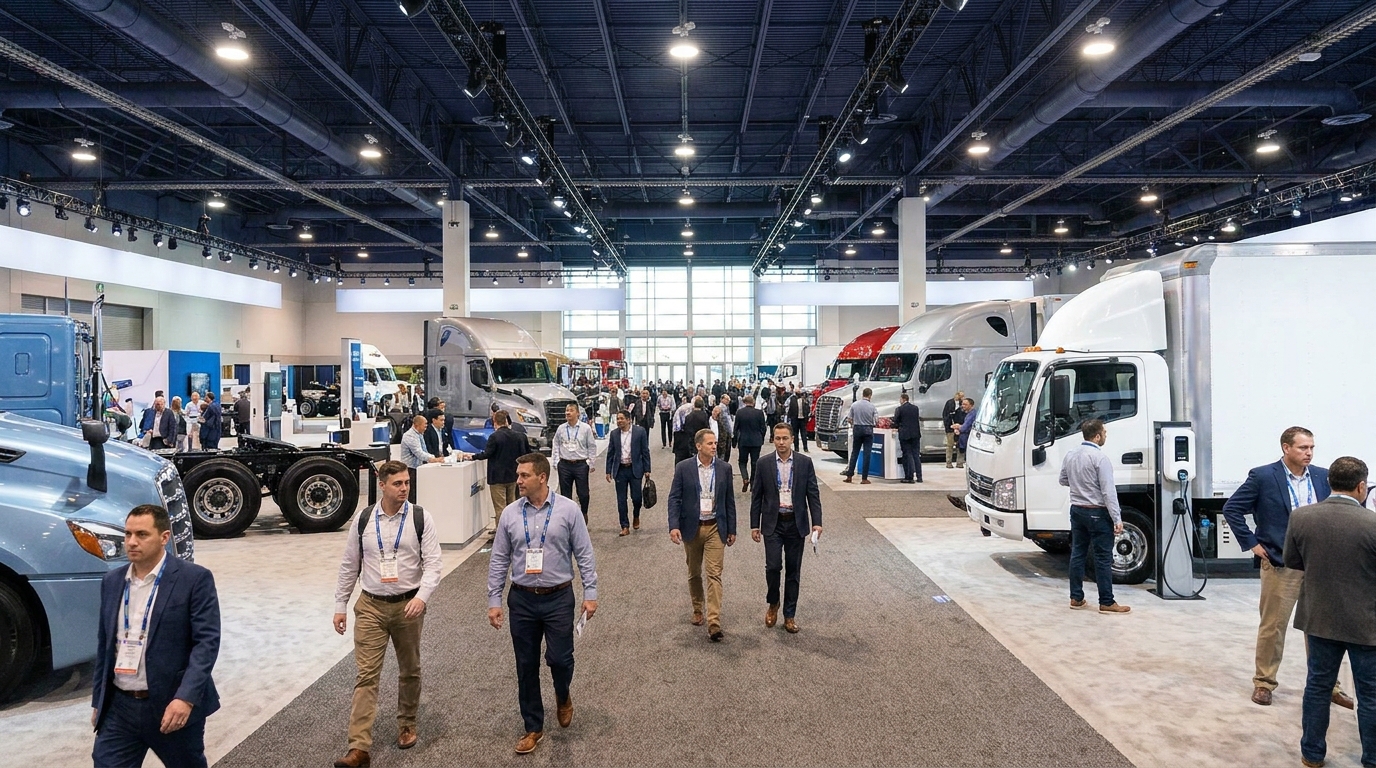
Every May, the Las Vegas Convention Center fills with the people deciding what commercial trucks will run on. ACT Expo 2026 takes place May 4 to 7, with the exhibit floor open May 4 to 6, and it draws more than 12,000 fleet and transportation leaders.
If you own one truck, the instinct is to skip a show like this. That instinct is usually right about the keynotes and usually wrong about the exhibit floor.
What is actually on the floor
The expo hall gathers 400-plus exhibitors: original equipment manufacturers, infrastructure developers and technology companies. The subject matter runs across zero-emission vehicles, digital fleet technology, renewable fuels, and the charging and fueling infrastructure that has to exist before any of it works.
That last category is the one that gets least attention and decides the most. A truck that runs on something new is only useful where the something new is available.
The part that applies to a small operation today
Most of what gets announced at a show like this is aimed at fleets that buy a hundred trucks at a time. But three of the subjects on that floor land on an owner-operator's monthly costs right now, with equipment that already exists.
Idle reduction. Every hour a diesel engine idles to keep a cab comfortable burns fuel, adds engine hours and moves the next service date closer. That math does not depend on any new technology, and it is the same reason an auxiliary power unit exists: Go Green APU is our side of that conversation.
Renewable and alternative fuels. Whatever you think of the transition, fuel blends and availability change route by route. Knowing what a corridor actually offers is operational information, not politics.
Digital fleet tools. Telematics, maintenance scheduling and fault-code reporting were fleet-only five years ago and are now sold to operations with three trucks. The gap between knowing a part is failing and finding out when it fails is the entire repair bill.
Why the infrastructure talk matters even if you buy nothing
Charging and fueling infrastructure decides where new equipment can realistically run. For an owner-operator, that translates into something concrete: the lanes where alternative equipment gets deployed first are the lanes where competition changes first.
Understanding that a year early is cheaper than discovering it when a freight bid comes back at a number you cannot match.
How it differs from a parts show
This is worth being clear about, because the two big Las Vegas events serve different purposes. A parts and aftermarket show is where you solve a repair problem you already have. ACT Expo is where you look at what the equipment itself is turning into.
One is about this month's invoice. The other is about what your next truck will be, what it will cost to keep running, and who will be able to service it. Both are legitimate; confusing one for the other wastes a trip.
What to do with this
Note the dates now if you intend to go: the conference runs May 4 to 7, but the exhibit hall closes on the sixth. People who plan around the conference dates and arrive late sometimes find the floor already closing.
Decide what question you are bringing. "What is coming" is not a question, it is a mood. "What does idle reduction cost me and what does it save per month" is a question, and there are people on that floor who answer it with numbers.
Ask about service networks, not just products. A piece of equipment with no local support is a future breakdown far from help. The right question to an exhibitor is not what it does, it is who fixes it near you.
Take your own numbers with you: idle hours per week, fuel cost per gallon, what a service interval costs you. Vendors quote savings as percentages, and a percentage of a number you do not know is not information.
Watch what the truck manufacturers themselves show rather than the concept vehicles. What an OEM puts on a stand with a price and a delivery window is a product; what it puts on a turntable with a light show is a plan.
And if you are not going, the useful takeaway still holds: the costs you can control today are idle time, maintenance timing and the repair that has to be done twice. Those do not wait for a show, and they are what The Truck Savers works on year round.