ACT Expo 2027: The Expo Runs May 18–19
ACT Expo has two different calendars in 2027. The conference runs May 17–20, while exhibition days are May 18–19.
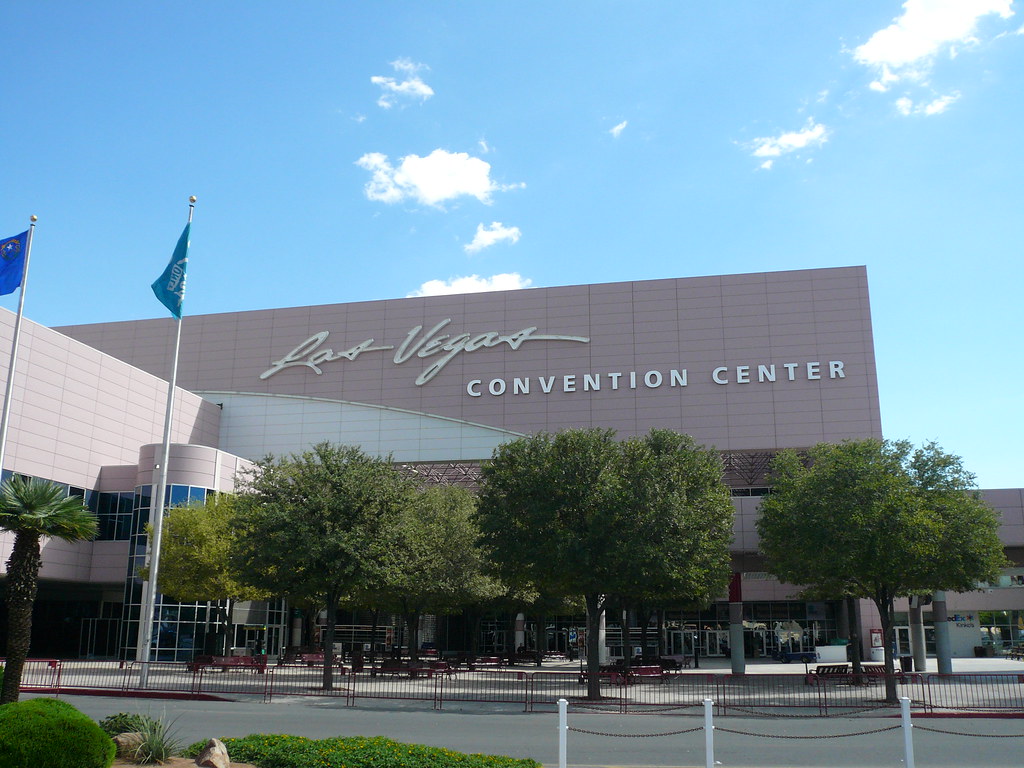
ACT Expo 2027 has a four-day conference window and a two-day exhibition window. The organizer lists the conference for May 17–20 and the expo for May 18–19 at the Las Vegas Convention Center. For a fleet planning a supplier visit, those calendars answer different questions. A travel plan that simply says “May 17–20” can leave the office expecting show-floor time on a day outside the announced exhibition dates.
Put the activity beside the date
Write two calendar entries before discussing flights or coverage at the office: conference, May 17–20, 2027; exhibition, May 18–19, 2027. These are the current organizer announcements reviewed October 12, 2026. They do not establish opening hours, a particular session time or admission to every activity. Obtain those details from the applicable current program and registration terms when they become available. The dates alone are enough to prevent one avoidable planning mistake.
Consider a hypothetical small carrier sending one representative to compare equipment suppliers. If that person's main task is an exhibition-floor discussion, the May 18–19 window should drive the initial itinerary. If the task involves conference education, the wider conference window may matter. The appropriate trip depends on the actual purpose and the access purchased, not on treating every date in the banner as interchangeable.
Keep 2026 material out of a 2027 equipment list
The official site still links to 2026 vehicle and program information, while the expo page says the 2027 vehicles will be announced. An older display list can illustrate what the earlier event covered, but it does not confirm the models coming next year. Do not build a purchase comparison around a vehicle solely because it appeared in a 2026 gallery. Mark unannounced 2027 information as pending rather than copying the previous edition into a new spreadsheet.
That distinction is especially useful when different people research the trip. One colleague may have saved an older agenda, while another is reading the 2027 date banner. Ask both to label the edition on their notes. Keep confirmed dates, historical examples and unanswered questions in separate fields. This simple editorial planning method reduces the chance that an old presentation becomes an unsupported promise about the coming exhibition.
Bring an operating question rather than a shopping list
Before selecting meetings, describe the fleet problem the trip should help resolve. A practical question might concern supporting a proposed technology along the routes you actually run, or understanding which information a supplier needs to assess an application. Use your existing operating records and identify their period. A show announcement provides no fleet-specific purchase recommendation, measured savings or installation specification; those need evidence tied to your equipment and work.
For example, a hypothetical fleet evaluating equipment for a particular duty cycle can prepare a short description of that work and ask suppliers what assumptions their answers use. Record which question remains unanswered and which document would resolve it. A clear written follow-up is more useful than returning with a general impression that a technology looked promising. The example is a planning suggestion, not a statement that a particular exhibitor has agreed to provide anything.
Make access and meetings explicit
Once registration information is available, check the product being offered against the activities you intend to attend. An event's date range does not prove what a particular pass includes. Verify session access, exhibition access and any separate activity terms through the organizer rather than assuming one registration covers everything. Save the terms used for the actual decision, along with the edition and the date checked.
Ask suppliers to confirm any proposed meeting directly. Keep an unconfirmed request separate from a booked appointment, and identify where the meeting would happen. The venue's name is not a complete appointment instruction. Leave travel arrangements flexible until the relevant schedule and access have been established; this article supplies no ticket price, hotel rate, travel-cost estimate or guaranteed availability.
Plan the fleet handoff as well as the visit
For a small operation, time away from the office is part of the trip's practical cost. Identify who will handle the representative's normal tasks and which decisions can wait. Put the visit dates into the actual work calendar before assuming coverage is available. Do not invent a financial return from attending: the value will depend on what the business learns and can use after the event.
- Separate conference dates from exhibition dates.
- Label every saved agenda and vehicle list by edition.
- Keep the unannounced 2027 vehicle roster unresolved.
- Check admission scope before relying on a registration product.
- Confirm meetings and the documents needed for follow-up.
- Assign office coverage and a post-trip review.
After the visit, compare the answers received with the original operating question. Record what was established, what still needs a supplier response and whether any next step is justified. Preventive planning starts before the booking: put the correct activity on the correct day and keep uncertainty visible. Find more verified event guides at Truck Savers News.
Illustrative venue archive, September 2008; not the 2027 exhibition. Michael Gray, photo source, CC BY-SA 2.0; resized, otherwise unchanged.
Original source: ACT Expo — 2027 expo information, reviewed October 12, 2026.