66 Vehicles, and GM Says Do Not Drive Them
A recall of 66 units carries an instruction that a recall of 844,027 does not: do not drive it. The wheels can lock without warning, and size says nothing about danger.
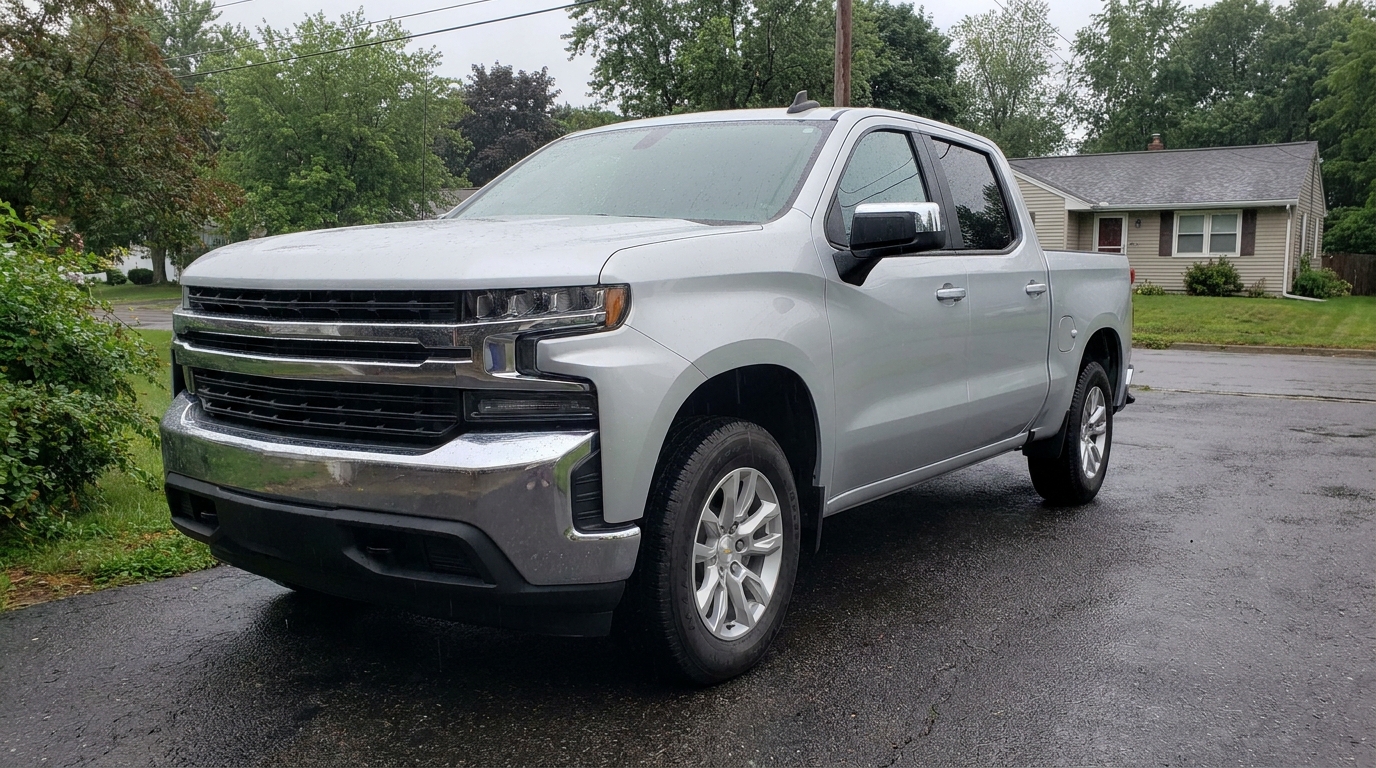
This morning we covered a recall of 844,027 vehicles that gets fixed with a free software update. Here is the other end of the scale: a recall of 66 vehicles where the instruction is do not drive it.
The campaign
NHTSA number 26V289000. A component missing from the drivetrain transfer case may cause the front and/or rear wheels to lock up without warning to the driver. GM's own remedy text opens with the line that almost never appears in a recall notice: owners are advised not to drive the vehicle until the repair is done.
That flag has a name in NHTSA's data — park it — and it is set on this campaign.
Who is on the list
2026 model year, with 4WD or AWD: Chevrolet Silverado 1500, Suburban and Tahoe; GMC Sierra 1500, Yukon and Yukon XL; Cadillac Escalade and Escalade ESV.
Plus certain 2015-2020: Suburban, Tahoe, Yukon, Yukon XL, Escalade and Escalade ESV.
The repair is free: dealers inspect and, if necessary, replace the transfer case assembly. GM's internal number is N262557620.
Why we are publishing it in September
Because it was filed in May and the letters went out May 18 — and a "do not drive" order does not expire when the news cycle moves on. If one of these went into a fleet, got traded, or sat with an owner who filed the letter and forgot, the wheels can still lock.
Sixty-six is a number small enough that nobody covered it. That is exactly why it is worth covering.
What a transfer case does, and why "without warning" is the operative phrase
On a four-wheel-drive or all-wheel-drive truck, the transfer case is what splits engine torque between the front and rear axles. It is not an accessory: it is the part standing between the driveshaft and both ends of the vehicle.
The failure described here is not degradation. NHTSA's language is that a missing component may cause the wheels to lock up without warning to the driver — no noise building over weeks, no light on the dash, no pull to one side. That is why the remedy comes with a park-it instruction instead of "schedule an appointment at your convenience."
It is also why the mileage on the odometer does not help you here. A missing part was missing the day the truck left the line.
The 2015-2020 half of the list is the strange one
Notice the year ranges: brand-new 2026 units and a block of 2015-2020 SUVs in the same campaign. That combination usually means the component was traced through a service or replacement path, not just the assembly line.
Practically, it means an older unit that has been in your hands for years can still be on an open recall filed this year. People check recalls when they buy. Almost nobody checks the truck they already trust.
The lesson that outlives this recall
Two campaigns, same week on your feed:
- 844,027 vehicles — backup camera may not display. Free software, dealer or over the air. Serious, but nobody is stranded.
- 66 vehicles — wheels may lock without warning. Do not drive.
The size of a recall tells you how many people got a letter. It tells you nothing about how dangerous yours is. The number that matters is on your VIN, not in the headline.
What to do
- Run your VIN at NHTSA, even on a truck you have owned for years. VINs for this one became searchable May 7.
- Look for the park-it flag, not the unit count. It is the field that changes what you do today.
- If you bought used, assume nothing. The letter went to whoever owned it in May.
- Call the brand line if the VIN comes back open: Chevrolet 1-800-222-1020, GMC 1-800-462-8782, Cadillac 1-800-333-4223.
And when the recall work is done, the rest of the truck is still yours to keep ahead of: The Truck Savers runs a free +100 point inspection, no appointment.