2027 Tundra: Match Tow Tech to the Truck You Buy
Toyota adds trailer assistance to the 2027 Tundra. Match the exact grade, installed equipment and towing limits to the work you plan.
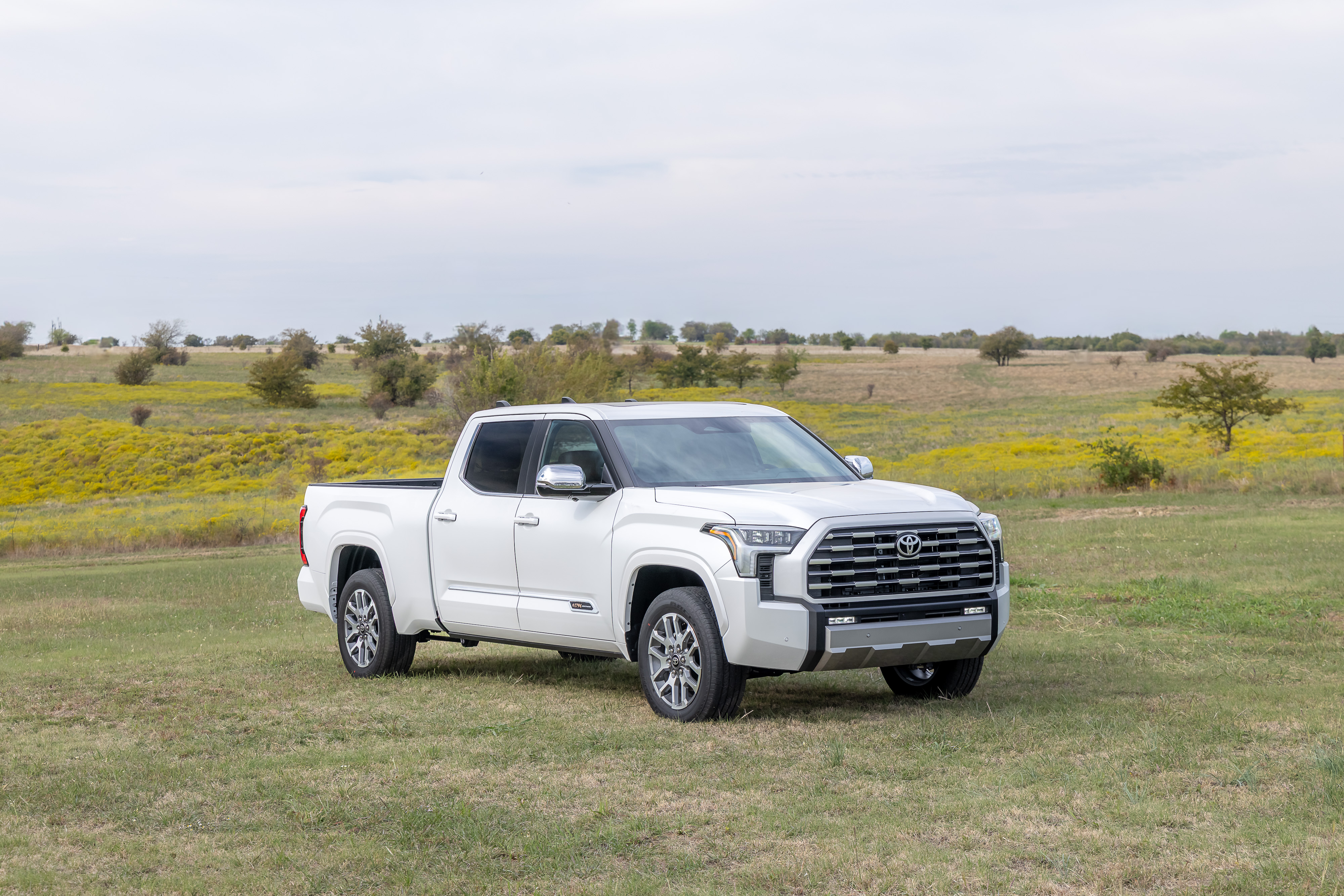
Editorial photograph: Toyota, 2027 Tundra 1794. Manufacturer-supplied image used without modification; the pictured grade does not establish equipment on every Tundra.
Toyota announced additional trailer-assistance technology for the 2027 Tundra on November 5. Its release describes automated trailer detection, a revised trailer menu and enhanced backing assistance. For a business buying a pickup, the practical question is which functions are installed on the truck being quoted and how that configuration fits the actual trailer. Start the comparison with the vehicle specification and the work assignment.
Turn the announcement into a purchase brief
Imagine a small contractor choosing a pickup for deliveries during the week and occasional equipment moves. This is a hypothetical planning example, rather than a reported customer case. The driver wants easier trailer handling, while the buyer needs a clear account of the equipment included. A useful discussion gives both people the same vehicle reference and written list of questions.
Write down the tasks before choosing the trim. Identify the trailers the business actually uses, the people who drive and the operating conditions that matter. Keep confirmed information separate from a possible future assignment. That makes it easier to explain why a feature belongs on the purchase checklist and to identify a question that still needs an answer from the responsible supplier.
Keep the equipment list attached to the quote
Ask the seller to identify the exact vehicle and provide the relevant specification, installed options and applicable owner information. Mark each desired function as included, optional, unavailable or awaiting confirmation. A broad model announcement is a starting point for that conversation. The final record should describe the unit being purchased clearly enough for another person in the business to review it.
For each option, record what the buyer needs it to accomplish. For example, a trailer-assistance demonstration can answer a question about the interface and required setup. It cannot establish that every trailer the business owns will work with the vehicle. Ask which documentation supports the proposed combination and who will resolve any compatibility question before the operating commitment is made.
Review trailer assistance and towing capacity separately
Toyota's announcement includes a maximum towing figure of up to 12,000 pounds. Preserve the qualification and have the seller identify the rating applicable to the actual configuration. This article does not calculate an individual truck's capacity. Assistance features, a maximum advertised figure and the limits documented for a particular vehicle belong in separate fields on the buyer's comparison sheet.
Ask the responsible professional to identify the vehicle and trailer limits, the equipment requirements and the information needed to evaluate the intended load. Bring the actual use case to that review, including passengers and work equipment. Record where each answer came from. If a required detail is unavailable, leave the corresponding question open instead of filling it from another trim's brochure or a different vehicle's experience.
Use a demonstration to answer specific questions
Before a demonstration, prepare a short list of what the driver wants to understand. Ask how the vehicle recognizes a trailer, where the relevant settings appear and which instructions apply to setup and operation. Have the seller explain the functions on the actual unit. Follow the manufacturer's instructions and the demonstrator's safe arrangements; this article supplies no driving, brake-adjustment or maneuvering procedure.
Afterward, compare the demonstration with the purchase brief. Record which questions were answered, which require a manual reference and which concern the trailer rather than the pickup. Give an unresolved question a named owner within the business. This is particularly useful when purchasing and driving are handled by different people, because a verbal explanation can otherwise disappear between the showroom and the first assignment.
Put ongoing requirements in the operating plan
Ask for the applicable instructions concerning software, connected functions and any account or service requirements relevant to the selected equipment. Keep the seller's answer with the quote. Establish who in the business will retain the vehicle documentation and arrange driver familiarization. A shared equipment record is more useful than assuming every driver attended the same demonstration or remembers the same settings.
Use the same approach for maintenance support. Ask where the vehicle and trailer will be serviced, which provider handles each system and how questions will be referred to the appropriate party. Request current written terms for the specific purchase. This keeps an equipment decision separate from assumptions about parts availability, appointment timing or work that a particular workshop has not agreed to perform.
A comparison sheet for the next dealership conversation
- Identify the exact vehicle, grade and installed options.
- Describe the trailers and work assignments being evaluated.
- Separate assistance functions from documented towing and loading limits.
- Ask for the owner-information references supporting the proposed use.
- Record the demonstration questions and the answers still outstanding.
- Confirm any connected-service requirements relevant to the selected functions.
- Assign responsibility for documentation, driver familiarization and service follow-up.
Review that sheet with the person who will operate the pickup. Ask whether the proposed equipment addresses an actual task and whether the supporting information is complete. If two quotes differ, identify the differing equipment or terms before comparing their totals. This is an editorial purchasing framework, not a recommendation to buy a particular grade or a prediction of operating savings.
Choose the configuration with a documented use case
The useful next step after a product announcement is a specific equipment conversation. Connect each desired function to a real assignment, retain the relevant documentation and resolve the questions that affect the purchase. The result should be a vehicle description the buyer, driver and service provider can all understand, with any remaining uncertainty visible before the truck is assigned work.
Original source: Toyota's November 5 announcement for the 2027 Tundra.