2027 Test List: Wait for the Safety Ratings
The 2027 vehicle test list is a selection. Check the published assessment before treating a model as safety-rated.
NHTSA released its model-year 2027 vehicle testing selections on October 15. For an operator considering a company vehicle, the immediate distinction is simple: selection for an assessment is not the same as a published rating. The agency says results will be available after testing and quality control are complete. A model appearing in the announcement should start a lookup, rather than end a purchasing discussion.
Read the heading above the model name
The announcement contains separate tables for general safety-rating tests, pedestrian protection verification and advanced driver assistance verification. They are different assessment lists. Copying a vehicle name without its table heading loses the context needed to understand why the agency selected it. Keep the heading beside the model when you save a note for the person reviewing a purchase.
The release identifies 23 vehicles for its frontal, side and rollover evaluation program, 18 for pedestrian protection and 10 for driver assistance verification. These describe planned assessment groups. They are not numbers of vehicles awarded a particular score. Some models appear in more than one table, so adding the three group totals does not establish a count of distinct models.
Use a pickup example without mixing the tables
Chevrolet Silverado 1500 appears in both the general testing selection and driver assistance table. Nissan Frontier Crew Cab appears in the general and pedestrian tables. Toyota Tundra appears in the pedestrian list. Those entries illustrate why a shopper should retain the assessment heading: membership in one group does not, by itself, place the vehicle in every other group or supply a result.
The published names matter. An entry for Silverado 1500 is not an entry for Silverado HD. A crew-cab designation should not disappear when someone copies information into a comparison sheet. Preserve the model year and body style shown, then look for the relevant result when published. Do not substitute a similar name merely because both vehicles share a manufacturer.
Keep the assistance-system list specific
The agency identifies five driver assistance areas: automatic emergency braking, pedestrian automatic emergency braking, lane keeping assist, blind spot warning and blind spot intervention. Keep those functions separate in a purchasing discussion. A salesperson describing one feature has not answered every question about the other four, and a planned verification does not provide a performance result for any of them.
A working sheet can have one row per vehicle and separate fields for the exact assessment, published result, date checked and source. Leave the result field blank when you have only the testing announcement. An explicit blank is easier to interpret than a star symbol copied from unrelated promotional material or from a different model year's page.
Ask for the result behind a claim
If a sales description refers to the 2027 list, ask whether it means selected for testing or an assessment already completed. Request the specific result page and retain it with the quote. That is a document-checking step, not an accusation about the seller. It helps everyone discuss the same evidence instead of using the word tested to mean several things.
Record when the lookup was performed. A page reviewed before results are posted and a page reviewed afterward can contain different information without either person having copied it incorrectly. The date gives the next reviewer a starting point. It also prevents an old screenshot from becoming the permanent answer after the agency publishes additional results.
Do not ask a safety list to answer another question
A test-selection announcement does not state the payload, towing configuration, equipment availability or delivery timing of a vehicle offered to your business. Keep those purchasing questions in their own records. This reporting concerns the assessment program, not a recommendation to choose a particular truck or a statement that one listed model is right for a working assignment.
- Save exact model year, model name and body style.
- Preserve the table heading explaining the selection.
- Distinguish planned testing from a published result.
- Keep individual driver assistance functions separate.
- Record the result page and date of your lookup.
- Verify equipment and work requirements through appropriate vehicle documentation.
NHTSA directs readers to its Ratings service when assessments and quality control are complete; the release also explains that five-star results appear on new-vehicle window stickers. Use the announcement to identify what to watch for, then return to the actual results before repeating a safety claim. That sequence keeps a research list from being mistaken for an award it has not documented.
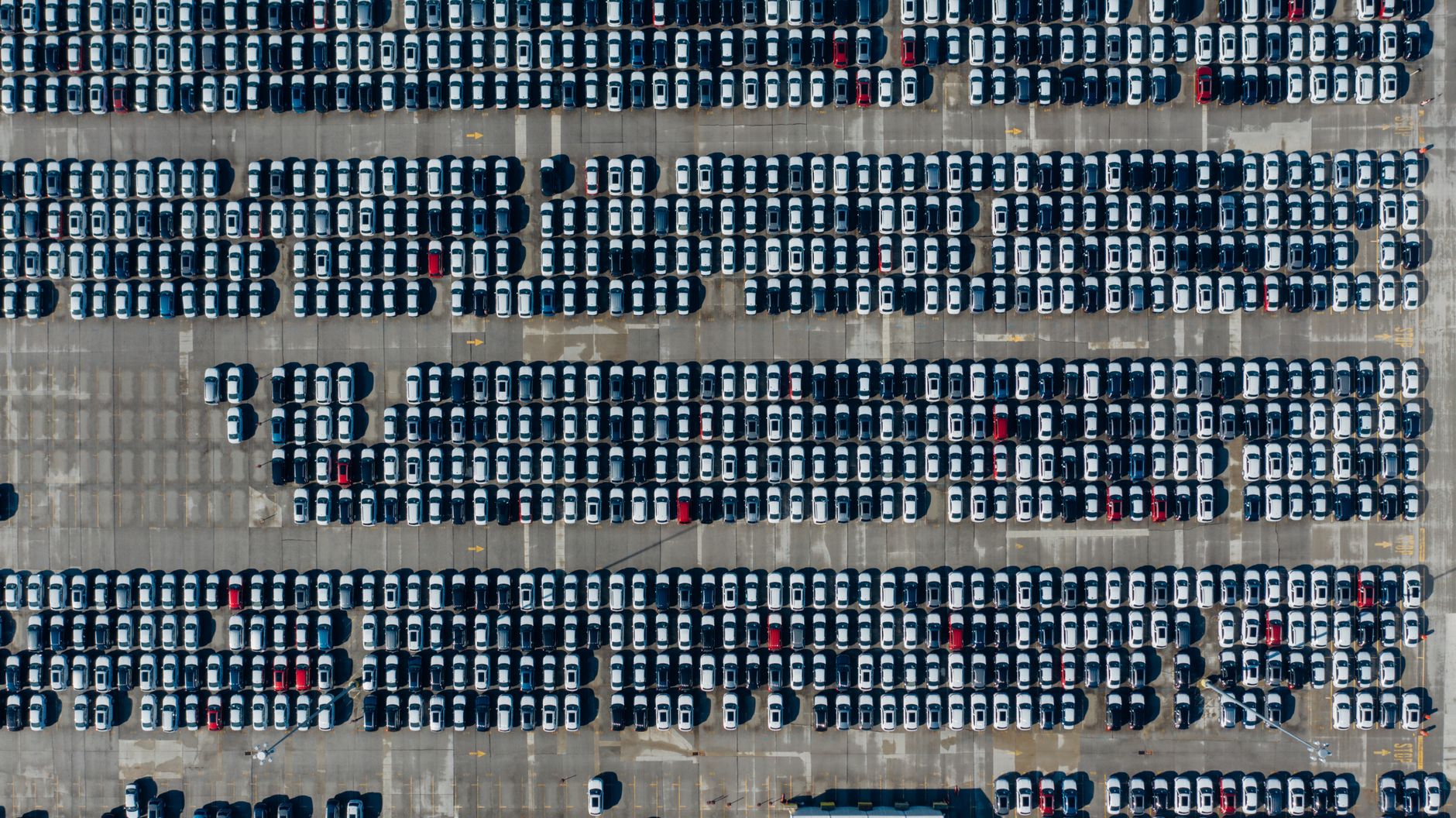
Illustrative vehicle inventory in Chattanooga, Tennessee; not the selected 2027 models or a NHTSA testing site. K / Pexels. Pexels License.
More reporting and practical checklists for operators.
Original source: NHTSA, model-year 2027 vehicle testing selections, October 15, 2026.