2027 Maverick Lobo: Check the 2,000-lb Tow Limit
The 2027 Maverick Lobo lists 2,000 lb maximum towing. Ford’s version-specific figure matters when matching a work pickup to a loaded trailer.
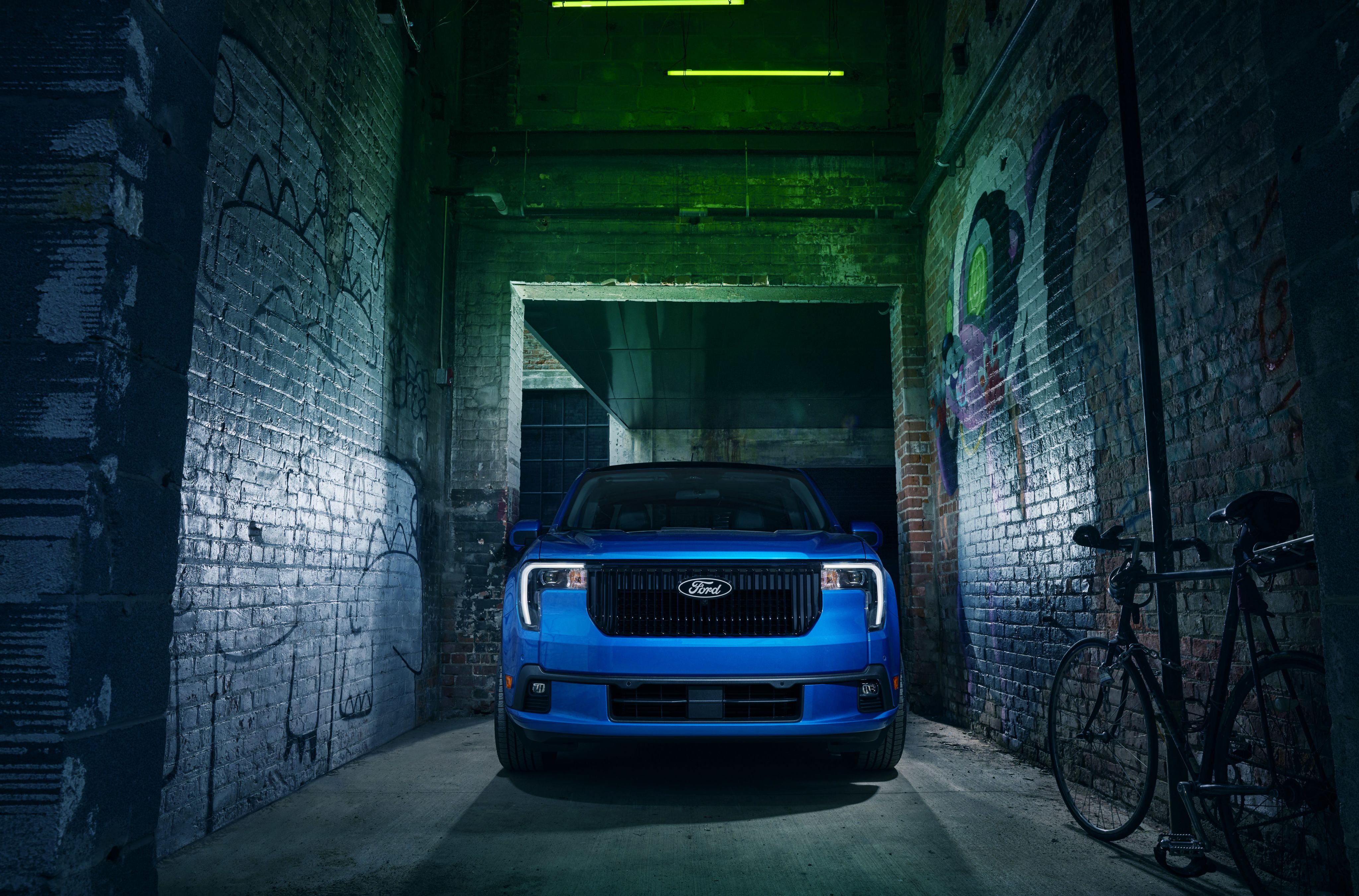
Archive photograph of the 2025 Maverick Lobo, Ford Motor Company. Illustrative of the model family; it is not a photograph of the 2027 vehicle being offered. Image unchanged; editorial use. Photo source · Editorial-use terms.
A version-specific number before the purchase
Ford’s U.S. page for the 2027 Maverick Lobo lists maximum available towing of 2,000 pounds. That is the figure to keep beside this version’s name when screening a pickup for work. A larger number advertised elsewhere in the Maverick range should not be assigned to the Lobo without documentation for that exact configuration. The manufacturer describes the Lobo as a street-performance model and identifies its special driving mode as track-only.
The practical purchase question is straightforward: does the proposed truck match the actual assignment? Someone comparing a compact pickup for parts runs with a pickup expected to pull equipment has two different jobs to describe. Appearance, an engine name or the presence of a hitch cannot settle that comparison. This article offers an editorial checklist for organizing the decision, rather than approving a particular towing combination.
Write down the job before comparing trucks
Start a short work profile before opening an inventory listing. Record what the vehicle would carry, how many people normally travel in it and whether towing is part of the assignment. Identify the trailer separately from the pickup. A trailer described only as “small” is not a measured load, and its empty weight is not a record of what it weighs after equipment or supplies are loaded.
Consider a hypothetical contractor choosing a pickup mainly for local service calls. If the business also expects it to move a loaded equipment trailer occasionally, that occasional assignment belongs in the purchase review from the beginning. Leaving it out produces a comparison of the easy days rather than the full job. No weight for that hypothetical contractor is assumed here; the missing measurements are exactly what the buyer needs to obtain.
Keep every comparison attached to its configuration
A useful comparison sheet gives each candidate its own row, including model year, version and the supporting manufacturer document. Put the requested equipment and the actual vehicle identifier beside that row when a specific unit is available. Avoid a single heading that says “Maverick towing” above figures taken from different years or packages. That presentation hides the conditions that make a number meaningful.
When a sales listing and a manufacturer page appear to disagree, save both references and ask for a written explanation tied to the proposed unit. Do not quietly replace the smaller figure with the larger one because the latter better fits the intended purchase. An unresolved difference is a purchasing question to clear up before committing, rather than a reason to assume a configuration has equipment it has not been shown to have.
Separate the truck, the trailer and the paperwork
Build the review around three sets of records. The truck record identifies the particular vehicle and its applicable manufacturer limits. The trailer record identifies the trailer, its equipment and a reliable loaded-weight record. The purchase record identifies what the seller is actually supplying. Keeping these together makes it easier for the dealer or a qualified towing professional to evaluate the proposed combination without guessing which truck or trailer is under discussion.
This is a document-gathering method, not a towing calculation. A single advertised maximum does not certify that every possible combination below that figure is suitable. If the applicable vehicle instructions or equipment documentation remain unclear, have those questions resolved before towing. Do not use an online article to substitute for the instructions and limits assigned to the actual equipment.
Ask questions that produce a usable answer
- Which document supports the towing limit for this exact model year and version?
- Does the proposed unit match the configuration described in that document?
- Which equipment is included in the vehicle being offered, and which items are merely pictured or available elsewhere?
- What information about the loaded trailer is still needed to assess the combination?
- Who will resolve any conflict between the listing, the vehicle records and the manufacturer’s instructions before delivery?
These questions deliberately ask for evidence instead of a general assurance that the pickup will “handle it.” Keep the answers with the quotation or purchase file. If the assignment changes later, return to the actual vehicle documentation and review the new requirement rather than transferring a promise made about a different job.
Do not turn performance language into a work rating
A performance-oriented trim can be attractive without being the right answer for every business task. Treat the reasons you like the vehicle and the evidence that it suits the job as separate entries in the decision. Neither entry needs to disappear; they simply answer different questions. A track-only feature is also not an instruction for use on the road.
For a small fleet, the useful outcome is a documented fit between equipment and assignment. That might mean keeping the Lobo on the shortlist, selecting a different documented configuration, or postponing the decision until the trailer information is complete. None of those outcomes can be determined for an individual reader from a model page alone.
The check to save
Keep the 2027 Lobo’s published 2,000-pound maximum attached to its version name, then assemble the specific truck and loaded-trailer records before deciding. Open Ford’s page below to confirm the current model information and discuss the exact vehicle with the seller. No price, delivery date, fuel-cost saving or suitability for an unexamined combination is established by this checklist.
Original source: Ford: 2027 Maverick Lobo.