2027 Colorado: Compare Equipment Before the Work Quote
2027 Colorado builds need a written work specification. Compare the selected equipment, delivery terms and final quote.
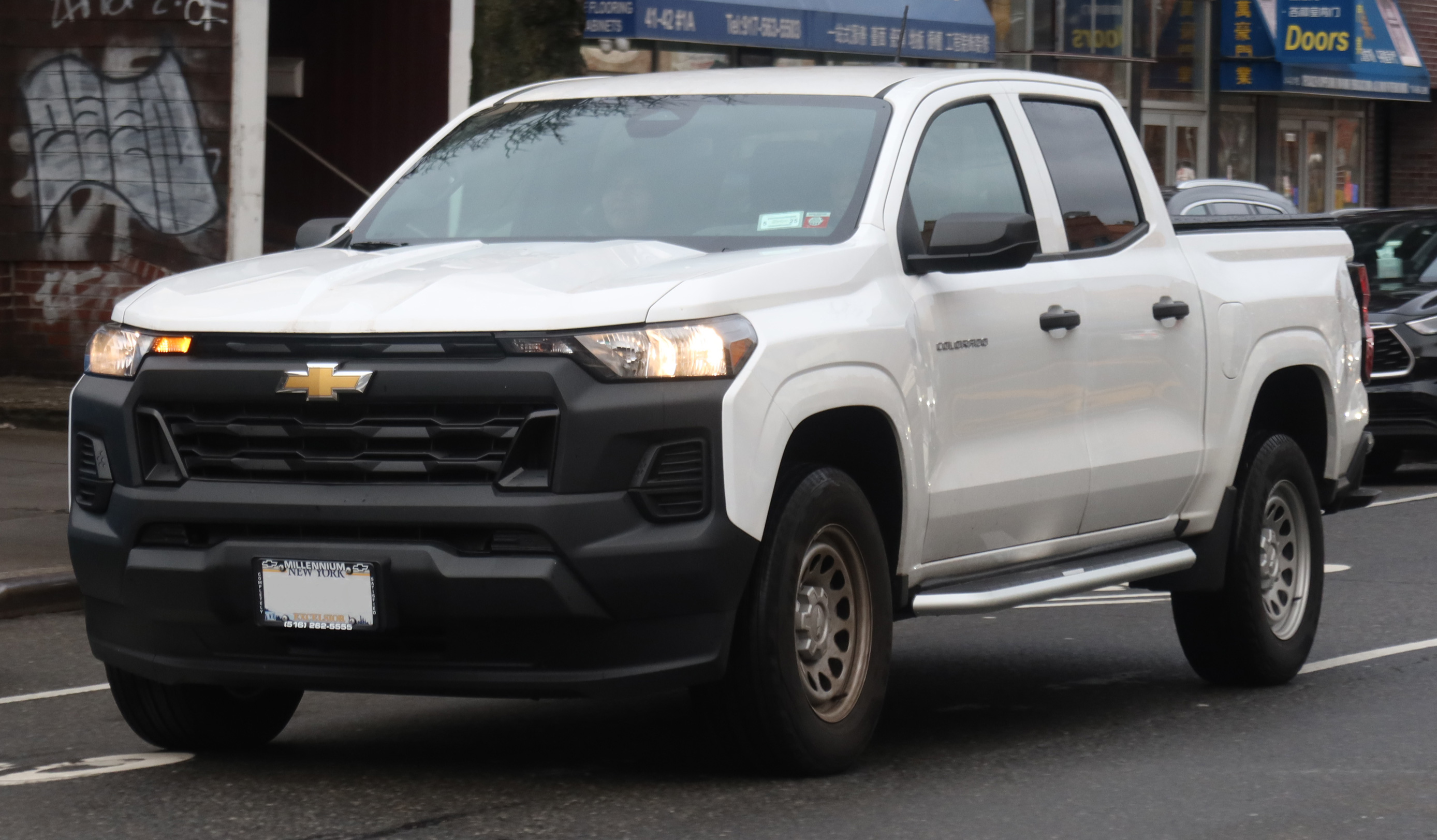
Illustrative archive photograph: 2023 Chevrolet Colorado LT, photographed in Queens in January 2024; it does not show the 2027 model or its equipment. Photo: Kevauto / Wikimedia Commons, CC BY-SA 4.0, unmodified.

Chevrolet’s 2027 Colorado is now presented on its U.S. product page with separate paths for building a truck, searching inventory and requesting dealer pricing. For a contractor or a small fleet, that separation is useful. An attractive configuration starts a conversation; a written specification and a dealer’s confirmed terms are what let you plan a work vehicle.
Consider a hypothetical two-person service business replacing its pickup. One partner chooses equipment online while the other finds a similar-looking truck at a dealership. Before comparing totals, they need to establish whether both documents describe the same vehicle, equipment and handover conditions. Otherwise, the apparent saving may simply be a different specification.
Start with the job, then choose the equipment
Chevrolet describes the 2027 model’s TurboMax engine as a 2.7-liter four-cylinder producing 350 horsepower and 450 pound-feet of torque. Those are manufacturer specifications, not a measurement of your business’s productivity. They do not establish how much a particular crew will spend, how much equipment it can carry or when a truck will arrive.
Write a short job description before selecting accessories: who travels, what stays in the bed, where the vehicle parks and whether a trailer is part of the assignment. Put the regular working day first. A feature that looks impressive in a demonstration may answer a different need from the one your business actually has.
Keep three documents separate
Save the configuration as a dated reference, keep the dealer’s vehicle description alongside it, and request a written purchase quotation. Label each clearly. This creates a comparison file instead of a collection of screenshots that may refer to different selections or different dates.
Ask the dealer to identify whether the discussion concerns an existing vehicle, an incoming unit or a proposed order. Record the identifying reference available at that stage. If the vehicle changes during the conversation, request an updated description rather than assuming that the replacement carries the same equipment.
This is an administrative checklist, not a statement of Chevrolet’s ordering procedure. The seller needs to explain the actual process and documents for your transaction. A saved online build should not be treated as evidence of a production allocation, a delivery appointment or equipment that has not been confirmed.
Compare the equipment line by line
Put the two proposals next to each other and mark every difference. Include the selected version, drivetrain, wheels, tires, bed equipment, protection items and any trailer-related equipment requested. Ask for a clear distinction between what is installed, what is included in the quotation and what remains a separate proposal.
For the hypothetical service business, a storage solution matters only if it works with the tools actually carried. Have the supplier explain mounting, access and any relevant restrictions for the chosen vehicle. Do not turn a catalog photograph into a fitment decision or assume that equipment from an older Colorado transfers unchanged.
When towing or carrying equipment is essential, ask for the applicable documentation for that exact configuration and your intended use. This guide does not assign a towing or payload limit. Keep vehicle ratings, component limits and the working load review together instead of substituting a general promotional number.
Request a complete quotation, without guessing the total
Ask the seller to show the vehicle, selected equipment, proposed installation work and other charges separately. Have it identify any offer conditions and the period for which the quotation applies. Compare the written total using the same assumptions on both proposals, rather than comparing one highlighted figure with a different package.
If financing or a trade-in enters the discussion, request those terms separately as well. This article does not calculate affordability, taxes or credit eligibility. The useful first step is being able to see which part of a proposal changes when equipment, payment terms or the trade-in assumption changes.
Give delivery its own place in the decision
Ask what is confirmed about availability and what remains an estimate. Keep that answer dated, with a named contact and a next update. If the business has a job starting soon, explain the required working date before relying on the pickup in a customer commitment.
A useful comparison might favor a different handover arrangement even when the equipment looks similar. Document any conditions attached to a deposit or a change request before making that decision. Do not infer a universal delivery time from the fact that the manufacturer’s model page is online.
A practical handover file
- Keep the agreed specification and the final vehicle description together.
- Record which accessories are installed and which still require a separate appointment.
- Ask who will explain the vehicle’s operating information and the applicable manuals.
- Retain the quotation, contact details and any documented changes for later reference.
Make the next conversation specific
For an owner-operator adding a support pickup, the best next question is about the work it must perform. Use the Truck Saver Finder to identify businesses to contact, then confirm directly whether they handle the vehicle and service you need. A directory listing does not verify stock, appointment availability or compatibility.
Original source: Chevrolet’s U.S. 2027 Colorado product page, checked October 21, 2026. The comparison checklist and hypothetical example are TSN’s editorial analysis.