2026 Ridgeline: Keep Access to the Spare Tire
The spare sits inside the bed trunk. Plan cargo access before loading tools, coolers or supplies for the next trip.
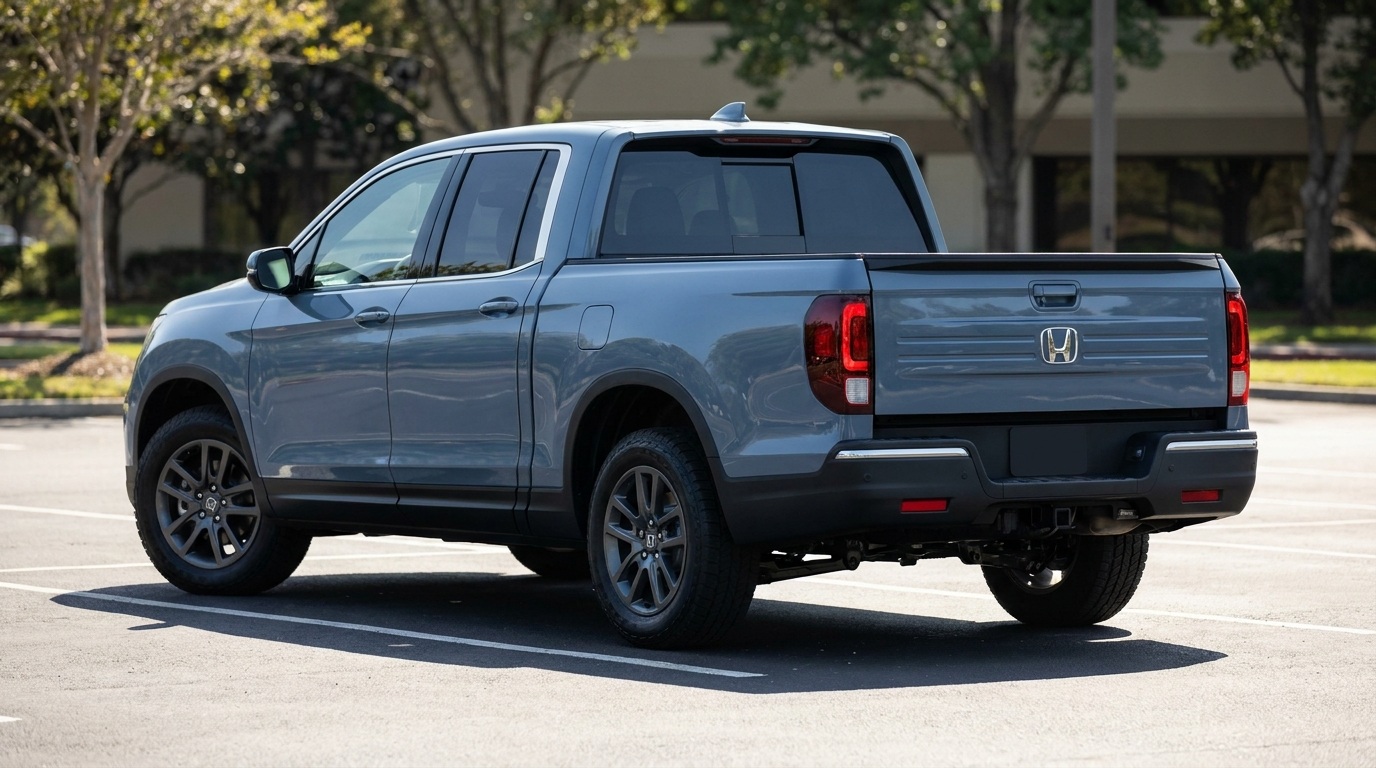
AI-generated editorial illustration; not a documentary photograph.
A pickup can have room for everything and still be packed in the wrong order. For a contractor, weekend traveler or small delivery business, the useful question is not simply whether the load fits. It is whether the item needed next can be reached without unloading everything above it. The 2026 Honda Ridgeline makes that distinction worth considering before the first large cooler, tool case or supply box goes into the bed. This is a cargo-planning guide, not a new equipment announcement.
The storage location changes the packing question
Honda places the compact spare toward the front of the 7.3-cubic-foot In-Bed Trunk, on a sliding tray. It also describes an alternate bed-wall mounting location when a loaded bed blocks trunk access or a full-size flat needs transport. That arrangement creates a practical planning issue: the path to the spare deserves space in the loading plan. The listed trunk volume describes storage space; it should not be treated as a payload rating or permission to exceed vehicle limits.
Our editorial takeaway is straightforward: test the access route while the truck is parked and empty. Open the compartments you expect to use, identify what would sit above each opening and decide what can be moved easily. This is not a recommendation to remove or relocate the spare yourself. Consult the applicable owner's manual and a Honda dealer for the approved mounting arrangement, required hardware and instructions for the specific truck.
Pack for the order of the day
Start with a simple list of stops. A worker collecting materials in the morning and returning equipment in the evening has a different access pattern from a family arriving at a campsite. Write down which container comes out at each stop. Then consider which items should remain reachable throughout the trip. The object is to reduce unnecessary unloading, not to fit more weight than the vehicle is allowed to carry.
Make the list specific enough to expose conflicts. A cooler that will be opened several times should not require moving a heavy case each time. A tool bag needed at the first job should not be buried beneath supplies for the last stop. If a container must be moved to reach the trunk, identify a sensible place for it during that access. Avoid a plan that depends on balancing loose equipment on the edge of the bed.
Include the return load
Packing plans often describe the outbound trip perfectly and ignore what comes back. Empty packaging, used equipment or a change in the size of the load can alter the arrangement. For this truck, include the possibility of transporting the removed full-size wheel rather than assuming the compact spare's original space will solve every return-trip problem. The manufacturer's mention of an alternate mounting location is a reason to consult the instructions, not a substitute for them.
Before departure, ask whether the return load will leave the planned access path available. If not, revise the arrangement before loading. Keep the exercise practical: draw a rough top-down bed layout, label the containers and mark which opening each item could obstruct. No elaborate application is necessary. A short note that another driver can understand is more useful than a detailed diagram nobody on the trip has seen.
Separate access from securement
A reachable load still needs proper securement. This article does not establish tie-down strength, approved attachment points or a method for carrying a wheel. Those details belong to the vehicle instructions and the equipment being used. Likewise, storage volume alone does not answer whether a particular combination of occupants, accessories and cargo is within the truck's ratings. Verify those limits independently before treating the proposed arrangement as ready for travel.
If the truck is shared, review the layout with the next driver. Make sure that person knows where the relevant vehicle instructions and keys are kept and which containers are expected to move first. Do not assume that a familiar-looking bed means the next person understands the packing logic. A brief handoff can reveal a blocked opening or an item that was added after the original plan was made.
A useful check before the next load
- Identify the openings the planned cargo could cover before placing heavy containers.
- Check the owner's manual for the specific truck rather than improvising a mounting method.
- Include both the outbound supplies and the likely return load in the layout.
- Review vehicle ratings and securement requirements separately from available storage volume.
- Give the next driver the same access plan when the pickup changes hands.
The useful feature here is not a promise that every load will be convenient. It is a storage arrangement that rewards thinking about access before filling the bed. Readers comparing a work pickup can use this checklist during a parked walkaround and ask the dealer to demonstrate the approved setup. For more pickup planning coverage, continue with Truck Savers News.
Original source: Honda Info Center: 2026 Ridgeline In-Bed Trunk.