2026 Ram 1500 Recall Covers 12,592 Pickups
A 2026 Ram 1500 recall covers 12,592 pickups whose parking lights and DRLs may flicker or fail. Owners should check VINs before a shop visit.
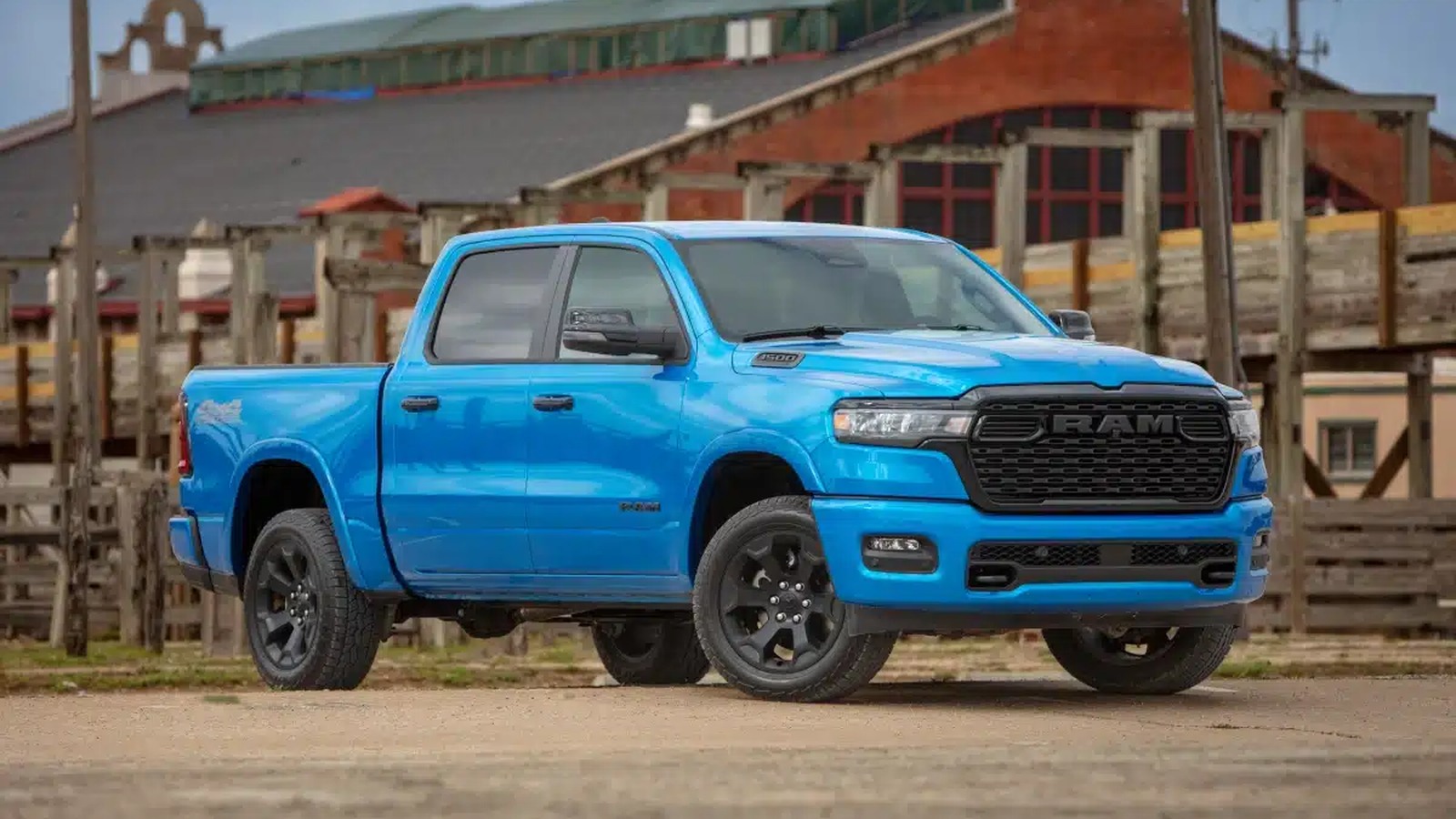
A new safety recall covers 12,592 model-year 2026 Ram 1500 pickups whose parking lights and daytime running lights may flicker, turn off intermittently or fail. The issue matters to owners who drive before sunrise, at dusk, in rain or in busy traffic because those lamps help other road users notice the pickup. The repair is free, but owners should verify the VIN before making a dealer appointment because the campaign applies only to a defined group of trucks.
What changed for the 2026 Ram 1500?
Campaign 26V421 applies to certain 2026 Ram 1500 pickups equipped with premium headlamp assemblies. The headlight wiring can cause the parking lamps and daytime running lamps to illuminate intermittently instead of remaining steadily lit. That condition does not meet the federal lighting standard that governs lamps, reflective devices and related equipment.
The recalled population includes 12,592 pickups. The manufacturer estimates that about 94% of that population may contain the defect. That estimate does not mean every owner will see the lights fail on command. The problem can be intermittent, which makes a VIN check and documentation of any symptom more useful than a quick glance at the lights during one walkaround.
The suspect production period began October 29, 2025, when trucks with the affected premium headlamp assemblies entered production, and ended February 16, 2026. Pickups built before or after that window, or built without those assemblies, are not included on that basis. The VIN lookup is the final way to determine whether an individual truck is part of the campaign.
Why the lighting defect matters on the road
Daytime running lights and parking lights do not replace headlights, but they make the front of a vehicle easier to see. If they flicker or go dark unexpectedly, a pickup can be less conspicuous to other drivers. The concern grows in low light, heavy spray, construction zones, crowded yards and any situation where traffic is trying to judge a vehicle's position or movement.
There may be no warning before the malfunction. Some owners may notice degraded lamp performance or a message in the instrument cluster, but those signs are not guaranteed. An owner who sees flickering should not assume that a loose bulb or cosmetic issue is the only cause. Record what happened, note the time and conditions, and give that information to the dealer.
Who is affected, and when?
The campaign is limited to certain 2026 Ram 1500 pickups, not every Ram truck and not every model year. VINs for the affected population became searchable on July 9, 2026. Interim owner letters are expected to be mailed July 30, 2026 to explain the safety issue. A second notice is expected after the final remedy is available.
That two-step notification matters for work pickups and small fleets. Receiving an interim letter may not mean parts are ready that same day. Operators should ask the dealer whether the inspection can be completed, whether a replacement assembly is available, how long the pickup may be held and whether both sides need attention. Do not build a downtime estimate from rumor; availability can vary by VIN, dealer and parts supply.
What the road hero should check
- Enter the full 17-character VIN in the federal recall lookup and save the result.
- With the pickup parked safely, verify the parking lights and daytime running lights on both sides.
- Look for flickering, intermittent illumination, one dark side or an instrument-cluster warning.
- Record a short video if the symptom appears intermittently so the dealer can see it.
- Check headlights, turn signals, brake lights and trailer lights during the same walkaround, even though those systems are not all part of this campaign.
- Call an authorized Ram dealer before traveling and confirm remedy and parts availability for the VIN.
- Keep the repair order after service so a fleet file shows the recall was addressed.
The announced remedy is an inspection of the headlamp assemblies and replacement when necessary, at no charge to the owner. Owners should not pay a shop to guess at the recall repair or splice wiring before confirming the campaign with an authorized dealer. Independent maintenance remains useful for normal lighting and electrical diagnosis, but the recall remedy itself belongs in the manufacturer's authorized process.
How this can affect cost and uptime
The repair should not create a parts or labor bill for the owner. The practical cost is scheduling: travel to the dealer, waiting for diagnosis and possible parts availability. A small fleet can reduce disruption by checking every 2026 Ram 1500 VIN at once, grouping appointments when possible and avoiding a last-minute visit after a lamp symptom appears during a workday.
This recall does not prove the entire electrical system is unreliable, and it does not justify replacing headlamps on trucks outside the campaign. The right decision is VIN-specific. Operators should separate the no-charge safety remedy from unrelated maintenance recommendations and ask for each item to be documented separately on the repair order.
One practical resource before the shop visit
For independent maintenance and inspection resources, visit Truck Savers. Use the authorized Ram dealer for campaign 26V421 itself, and use ordinary preventive service for unrelated lighting, battery, charging or wiring concerns.
Bottom line
If a 2026 Ram 1500 falls inside this recall, the owner should verify the VIN, watch for flickering or failed front lamps and coordinate the free dealer remedy. A light that works during one walkaround can still have an intermittent fault. Preventive checks are always cheaper than finding a visibility problem in traffic.
Original source
National Highway Traffic Safety Administration recall 26V421