2026 Frontier: Match Cleat Limits to the Channel
Frontier cleat limits vary by channel location. Read the 2026 manual before treating an attachment rating as usable cargo capacity.
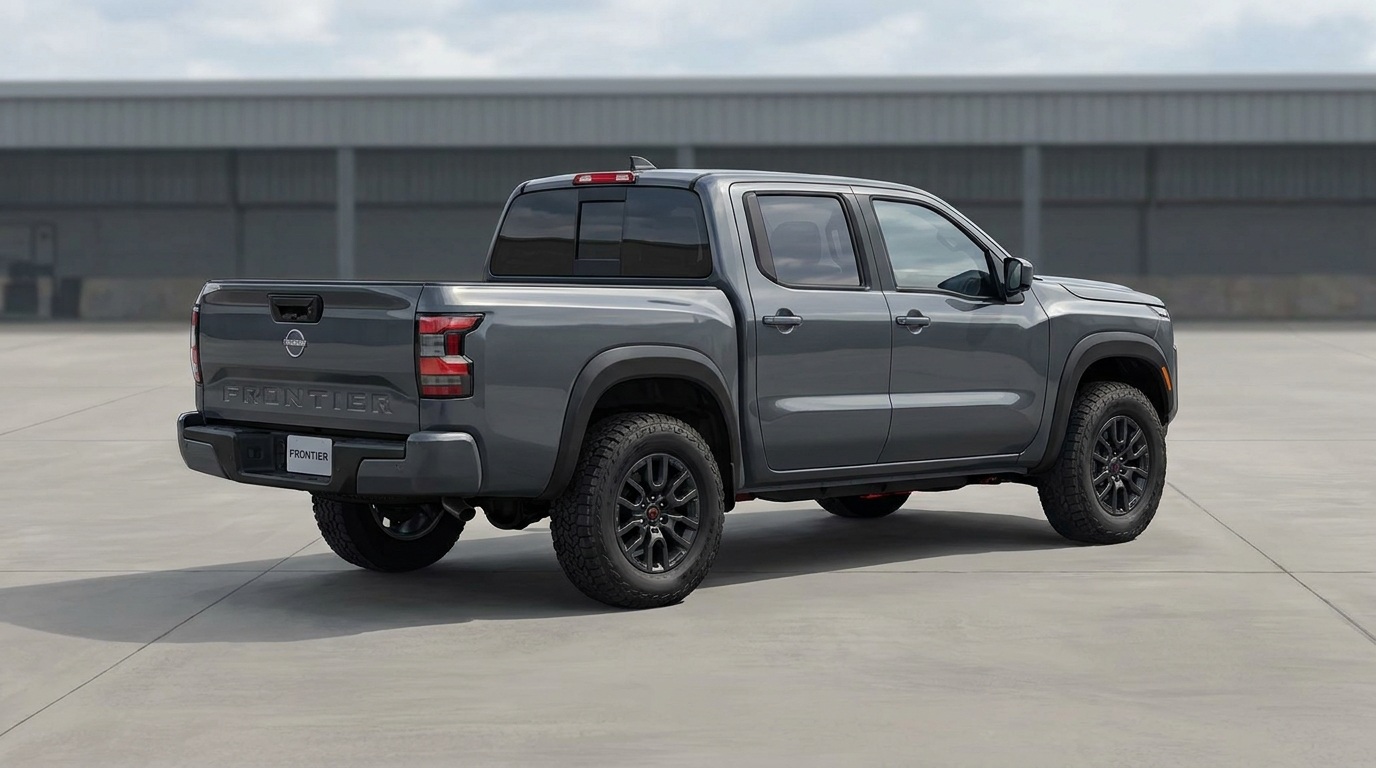
AI-generated editorial illustration; not a documentary photograph.
A pickup’s cargo attachment rating needs its full context. For the U.S.-market 2026 Nissan Frontier equipped with Utili-track, the owner’s manual distinguishes the side channels from the header and floor channels discussed in its cautions. It is not enough to remember a single number from an advertisement. Before arranging cargo, identify the installed system and use the instructions that apply to that truck rather than transferring a limit from another model year or accessory.
Read the channel caution as a complete instruction
The manual cautions against loads above 150 pounds on the header and floor channels, or 200 pounds on the side channels, and against angles to the cleats greater than 45 degrees. It specifies one cleat per channel section. These are attachment-system limits, not the pickup’s payload allowance. The manual also requires proper cleat seating and installation, periodic tightness checks, and use of cleats rather than attaching ropes or straps directly to the channels.
Read the illustrated instructions before using the system; this article does not replace them with an abbreviated installation procedure. Equipment availability can vary, and a channel mentioned in a manual is not proof that every truck has it installed. If a truck has an accessory, modified bed or unclear hardware, verify the actual configuration with the appropriate documentation or qualified provider before relying on the arrangement. Do not infer a safe setup from a similar-looking photograph online.
Identify three different pieces of information
For planning purposes, keep the truck’s vehicle-loading information, the attachment system’s instructions and the cargo’s actual characteristics in separate fields. They answer different questions. A cleat limit does not establish the combined weight of occupants and cargo permitted in the truck. Nor does a vehicle load allowance tell you which attachment hardware or strap arrangement is suitable. A useful preparation record makes the missing information visible instead of allowing one familiar number to substitute for every requirement.
An editorial checklist for a loading conversation can include the exact model year and market, installed system, applicable manual section, actual cargo description, available weight information and the proposed handling plan. This is not a certification that a load is secure. Its purpose is to organize the information needed before choosing or approving an arrangement. If an item is unknown, mark it as unresolved and seek the appropriate guidance rather than estimating from appearance or a catalog headline.
Do not add ratings to invent a cargo allowance
Seeing several cleats does not justify adding their stated limits and calling the result available payload. An attachment arrangement has conditions that a simple total cannot describe, including where hardware is installed and how it is being used. The truck’s own loading limits remain a separate check. This article does not calculate a cargo allowance, certify a particular tie-down design or recommend an accessory. Those decisions require the actual equipment, load and applicable instructions to be considered together.
Consider a hypothetical owner planning to carry a piece of work equipment. The equipment’s weight, attachment points and dimensions are still unconfirmed. Knowing the truck has Utili-track does not complete the plan. The useful next action is to obtain the missing equipment information and consult the applicable loading and securement guidance. Buying additional cleats before resolving those questions would not itself establish that the planned cargo can be carried in the intended configuration.
A used truck deserves an equipment check
When a pickup changes hands, do not assume the loose hardware supplied with it is original, complete or appropriate for the installed channels. Record what is actually present and obtain clarification if identification is uncertain. Preserve the vehicle’s manual and any relevant accessory documentation together. A seller’s description or an old receipt can help identify a question, but it is not a substitute for confirming the hardware and its application before using it to restrain a load.
Keep the inspection appropriate to your knowledge and the manufacturer’s instructions. This article does not provide a method to repair damaged channels, modify cleats or substitute fasteners. If something is loose, damaged or cannot be identified, seek qualified guidance before using the arrangement. Avoid treating a successful previous trip as proof that the same hardware and loading plan are suitable now. Past use is an observation, not documentation of a component’s condition or approved application.
Keep the plan with the equipment
For repeated work, preserve the applicable instructions with the truck’s records and document any equipment changes. A later driver should be able to distinguish the factory system from added accessories and see which questions have been resolved. If the load changes, review the arrangement again instead of copying a previous worksheet unchanged. This creates continuity without pretending that a recordkeeping checklist, by itself, can validate the way every possible item is carried in a pickup bed.
Readers organizing a broader preventive-maintenance conversation can consult The Truck Savers™ service information, confirming the provider’s scope for the vehicle involved. For this Frontier system, the first useful step is reading the correct manual with the installed equipment in view. Keep attachment limits, vehicle-loading limits and the actual cargo plan connected, while recognizing that each still requires its own verification.
Original source: Nissan: 2026 Frontier Owner’s Manual, printed pages 422–425.