2025 Super Duty: Plan the Block Heater Connection
Plan the Super Duty block heater connection. Confirm equipment, the parking setup and the handoff before a cold-weather trip.
Before assigning a 2025 Ford Super Duty to an overnight stop in colder weather, answer three practical questions: does this particular pickup have an engine block heater, does the destination offer a suitable connection, and who will disconnect it before departure? A reservation that says “parking available” answers none of those questions. The useful preparation happens before the driver reaches the parking space.
Ford's online 2025 Super Duty owner's manual separates heater operation, precautions and use into different sections. Read them together for the actual vehicle. This article is a planning checklist for an equipped pickup, not an installation guide, a substitute for those instructions or a claim that every Super Duty has the equipment. The manual and the vehicle's confirmed configuration govern.
Know what the heater does
Ford describes a system that warms engine coolant and can help the climate system respond sooner. Its explanation identifies a grounded 110-volt AC supply and says the equipment is most effective below 0°F, or minus 18°C. That temperature describes the manufacturer's guidance; it is not a weather forecast for a particular route or an assurance that another starting problem has been solved.
Put the unit number, model year, engine and relevant manual reference in the trip file. Ask the shop to confirm the equipment when its presence or condition is uncertain. A photograph of an unfamiliar connector is a useful question for the shop, not enough evidence for dispatch to declare the system ready. Keep that confirmation attached to the unit instead of relying on recollections about a similar pickup.
Plan backward from departure
The use section says this system has no thermostat, reaches its maximum temperature after approximately three hours and must not operate longer than three hours. It also calls for ground-fault protection and disconnection before starting. “Leave it connected until morning” therefore is not an adequate instruction for this manual. Check the current wording for the vehicle before setting any routine.
For dispatch, the practical task is to identify the departure time and the person responsible for the connection window. If a departure moves, communicate that change to the person handling the pickup. Do not automatically add another heating period because the trip was delayed. Ask the service team how to handle a changed schedule within the applicable instructions. A written start and stop assignment is easier to verify than an assumption shared across shifts.
Verify the parking arrangement
Ask the destination a specific question: is a vehicle-heater connection available at the space that will actually be assigned? Then have the appropriate person confirm that it meets the manual's requirements. An outlet somewhere inside a building does not establish that the driver has a usable arrangement beside the pickup. Avoid promising the customer that a parking reservation includes an electrical service that nobody has checked.
Ford's precautions address grounding, outdoor cold-weather extension cords, dry connections and cable protection. They prohibit two-prong adapters and multiple extension cords. They also call for a prewinter system check, keeping the parking area clear of combustible material and checking connections for excessive heat after about 30 minutes. Follow the complete precautions, including the hood and cord-routing instructions, rather than improvising around an unsuitable space.
Give each handoff a named owner
A simple dispatch record can have five fields: confirmed equipment, parking location, manual reference, connection responsibility and departure responsibility. These are organizational fields proposed by TSN, not additional Ford technical specifications. Their purpose is to make an unanswered question visible before the pickup leaves the yard. “Someone at the hotel will handle it” is not a confirmed assignment.
Consider a hypothetical two-driver trip. The evening driver parks the pickup, while another driver takes it out the next morning. Dispatch should make sure the second driver receives the equipment information and knows whom to contact about the setup. The handoff should also identify whether the plan was completed, changed or abandoned. That is more useful than a note saying only that the vehicle was prepared for winter.
Keep problems separate from the trip plan
A block-heater plan does not establish the condition of the battery, charging system or other components. If the driver reports a separate starting concern, create a service question with the symptoms, time and conditions. Do not turn the presence of a heater into a diagnosis. Likewise, the manual's general explanation does not establish the exact electrical cost at a destination or authorize use of somebody else's power supply.
The release question is concrete: can the responsible people show the equipment confirmation, the approved parking arrangement and the departure handoff? If one is missing, resolve that item rather than marking the whole plan complete. Keep the current manual accessible to the people doing the work. A clear record helps the next shift understand what was checked, what changed and which question still belongs with the service team.
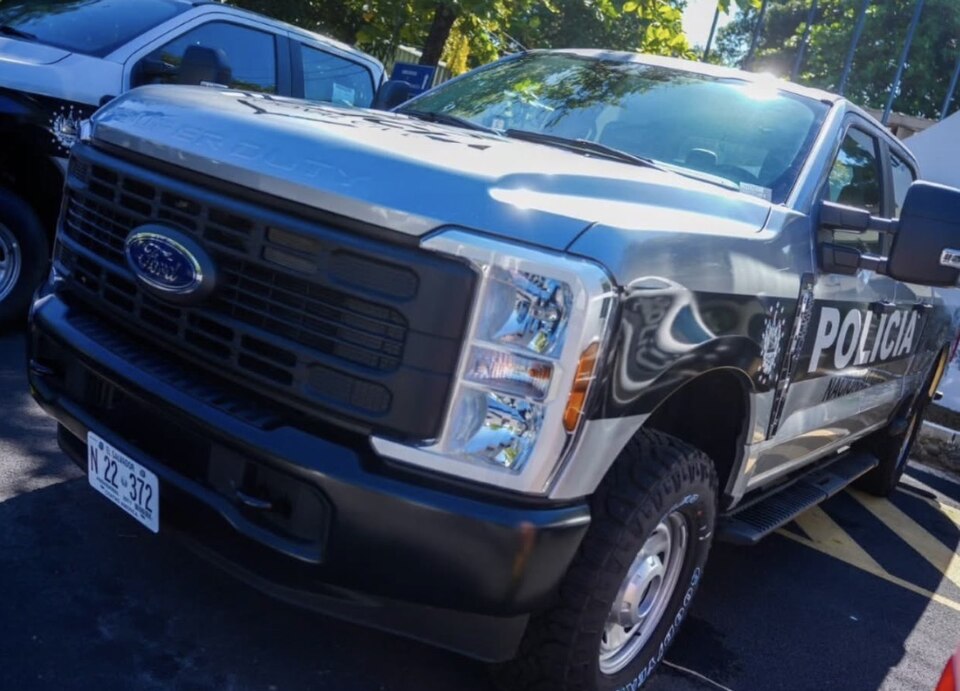
Photo: AndrewSan12, 2025-12-11. CC0 1.0. 2025 Ford F-350 in El Salvador. Illustrative archive, resized by source; the heater and its equipment status are not shown.

Original source: Ford, 2025 Super Duty Owner’s Manual. Ford: precautions; Ford: use.