2025 Silverado Multi-Flex: Check the Hitch Before Opening
Silverado Multi-Flex needs a hitch check. Read the inner-gate warning before using the step on an equipped 2025 pickup.
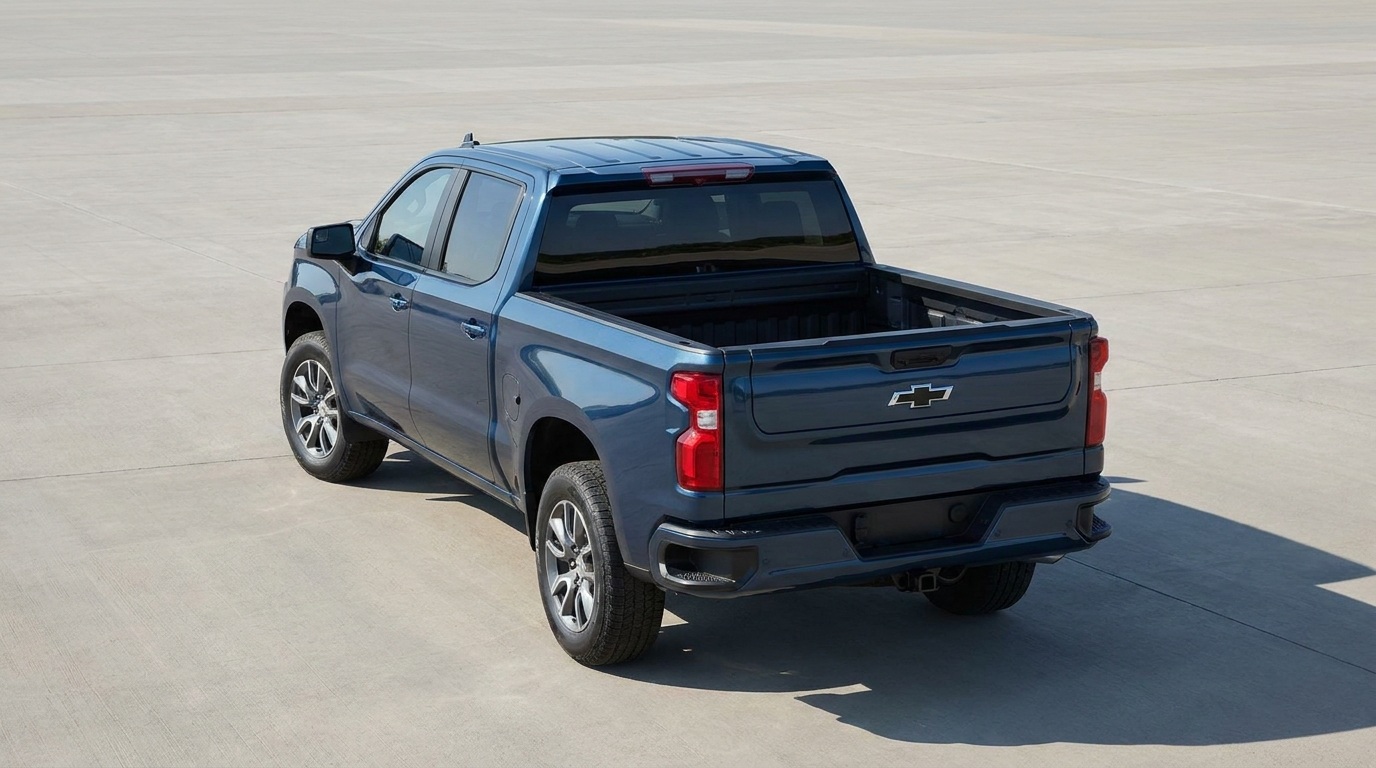
AI-generated editorial illustration; not a documentary photograph.
Chevrolet's 2025 Silverado 1500 quick guide warns against lowering the Multi-Flex inner gate while the primary gate is open when a hitch ball or trailer is attached. This applies to an equipped vehicle; the guide is not a substitute for its full Owner's Manual. It also describes disabling the inner gate when a hitch or other equipment is installed.
Start with the tailgate actually on your pickup
The useful ownership question is whether the equipment and instructions in front of you match. A pickup model name alone is not enough to establish that every example has the same tailgate. Our suggested first step for a new owner or a shared work vehicle is to confirm the fitted equipment from the vehicle's documentation. If the controls or hardware differ from the guide, stop using the illustration as an operating procedure and ask for the instructions that apply.
This is a practical reminder based on an existing manufacturer guide, rather than a new product announcement or a recall notice. It does not establish a problem with an individual truck. There is no inspection result, diagnosis or repair recommendation in the photograph accompanying this article. The illustration identifies the ownership topic; the actual vehicle and its applicable instructions remain the references for any operation.
Make the hitch question part of the handover
For a household or business sharing one pickup, a useful handover discussion begins at the rear equipment. Has a hitch or trailer been added since the next driver last used the truck? Does that person know which tailgate system is fitted and where its instructions are kept? These are questions to answer before experimenting with unfamiliar controls. A feature demonstration performed on a differently equipped vehicle does not settle them.
Our editorial recommendation is to keep that discussion concrete. Record the vehicle identification in the equipment file and retain the matching manual or manufacturer reference. When equipment changes, note the change and identify any instructions supplied with it. This is a documentation habit, not a substitute clearance test, an installation approval or a claim that a particular aftermarket accessory works with Multi-Flex. Unverified compatibility should remain an open question for the appropriate manufacturer or qualified service provider.
Do not turn a short guide into an improvised procedure
This article deliberately does not reproduce a sequence of button presses as a universal instruction. Before operating an unfamiliar tailgate, read the complete precautions for your vehicle and follow the manufacturer procedure. If a control does not behave as expected, avoid repeated experimentation based on a social video or a different model year. Describe the equipment and the observed behavior when requesting help, rather than assuming the issue has a particular cause.
The same approach helps when buying a used truck. Ask the seller to identify the fitted tailgate and provide the applicable documentation. Request clarification about installed rear accessories before treating a feature description as proof of compatibility. A buyer can record unanswered questions on the inspection worksheet without assigning a repair cost or deciding that the equipment is defective. Those judgments require evidence beyond a feature list.
A short checklist for the equipment file
- Confirm that the truck is the model year and configuration covered by the reference.
- Identify the tailgate fitted to the actual pickup rather than assuming optional equipment.
- Read the hitch-related warning before considering the inner-gate function.
- Keep the full vehicle instructions available to everyone who uses the truck.
- Record equipment changes and leave compatibility questions open until answered.
- Seek vehicle-specific assistance if the documentation or controls do not match.
For a fleet or a small business, assign one place to keep those records so that a driver does not have to reconstruct the equipment history at the loading area. A simple dated note can distinguish the original configuration from a later addition. Do not label that note a safety certification: it records what the business knows and what still needs confirmation. No generic checklist can certify how a specific installation will behave.
The preventive takeaway is to resolve the hitch and documentation questions before opening an unfamiliar Multi-Flex configuration. Keep this reminder with the truck's operating information, while relying on the full manufacturer instructions for the actual task. For more practical pickup ownership explainers, read Truck Savers News. This article's objective is informed reading, without a promised service outcome or an unsupported compatibility claim.
Original source: Chevrolet, Getting to Know Your 2025 Silverado 1500, pages 18–19.